Insurance Insights & Guidance
Coverage Worth Having
Separating the essential from the unnecessary — so every dollar of your premium earns its keep.

How Deductible Choices Affect Your Insurance Quote Comparison
Changing your deductible dramatically changes your premium — but it also changes your out-of-pocket risk. Understanding this tradeoff across multiple quotes reveals which deductible level offers the best balance.

More Stories

The Post-Claim Policy Checkup: What to Review After Filing a Claim
After filing an insurance claim, review your coverage to ensure your limits are still adequate, your deductible still makes sense, and any coverage gaps revealed by the claim are addressed.

Assignment of Benefits and Roof Repair Claims After a Storm
Storm chasers and roofing contractors often present AOBs to homeowners after hurricanes and hail storms. Understanding the risks of signing helps you protect your claim and your roof.

How Long Does a Property Insurance Claim Take After a Natural Disaster
Natural disaster claims take significantly longer than standard claims due to adjuster shortages, widespread damage, and complex coverage questions. Planning for an extended timeline reduces stress.

The Hidden Costs of Filing a Claim You Have Not Considered
Beyond your deductible, filing a claim can trigger premium increases, affect your claims history, and influence future insurability. Understanding these costs helps you make an informed decision.

Buying Life Insurance Based on Price Alone Without Comparing Coverage
The cheapest life insurance policy is not always the best value. Focusing exclusively on premium cost without evaluating coverage terms, exclusions, and insurer financial strength leads to inadequate protection.
Universal Life Insurance Illustrations: Flexibility and Risk Explained
Universal life illustrations show how flexible premiums and adjustable death benefits interact with interest crediting assumptions. The gap between guaranteed and projected values can be enormous.

Can You Fail a Life Insurance Medical Exam?
You cannot technically fail a life insurance medical exam, but poor results can lead to higher premiums, policy limitations, or denial of coverage depending on the severity of the findings.

Guaranteed Issue Life Insurance: Coverage When Traditional Policies Deny You
Guaranteed issue policies accept all applicants regardless of health status with no medical exam or health questions. These policies have limitations but provide an option when traditional coverage is unavailable.

How Much Can You Borrow From Your Life Insurance Policy?
Most insurers allow policy loans up to 90 to 95 percent of the policy's cash surrender value. The exact amount depends on your policy type, how long you have held it, and how much cash value has accumulated.

Guaranteed vs Non-Guaranteed Cash Value in Life Insurance
Guaranteed cash value grows at a minimum rate specified in your policy contract. Non-guaranteed values depend on insurer performance, dividends, or market returns and may be higher or lower than illustrated.

Death Benefits in Whole Life Insurance: Lifetime Coverage With Guaranteed Payouts
Whole life insurance provides a guaranteed death benefit for your entire lifetime, as long as premiums are paid. The benefit amount is fixed at purchase and does not change.

How Probate Affects Life Insurance Distribution When No Beneficiary Exists
Probate is the legal process of settling an estate. Life insurance proceeds that enter probate face court supervision, attorney fees, executor fees, and potential creditor claims.

Can You Name a Trust as a Life Insurance Beneficiary?
Naming a trust as a beneficiary gives you greater control over how and when proceeds are distributed. Trusts are especially useful when beneficiaries are minors, have special needs, or need protection from creditors.

How to Update Your Life Insurance Beneficiary: Step-by-Step Process
Updating your beneficiary requires contacting your insurance company, completing a beneficiary change form, and submitting it for processing. The process is simple but must be done correctly to be effective.

Life Insurance Beneficiary Designation vs Your Will: Which One Wins?
Beneficiary designations on life insurance policies override instructions in your will. If your policy names your ex-spouse but your will names your current spouse, the ex-spouse receives the death benefit.

Life Insurance and Dual-Income Mortgages: Both Partners Need Coverage
When both incomes fund the mortgage, both partners need life insurance. Losing either income can make mortgage payments unaffordable without coverage to bridge the gap.

The Case for Life Insurance Even When You Are Child-Free
Being child-free simplifies your life insurance calculation but does not eliminate the need. Partner protection, debt coverage, and future insurability all factor into the decision.

When Does Whole Life Insurance Make More Sense Than Term?
Whole life is typically better when you need permanent coverage, want guaranteed cash value growth, value the forced savings discipline, need insurance for estate planning, or want a conservative tax-advantaged asset.

Universal Life Insurance vs Whole Life: Key Differences Explained
Universal life offers premium flexibility and transparent internal mechanics, while whole life provides guaranteed cash value growth and fixed premiums. Each structure suits different financial planning needs and risk tolerances.

Whole Life Insurance for Estate Planning: Preserving Wealth for Generations
Whole life insurance plays a central role in many estate plans by providing tax-free death benefits, creating liquidity for estate taxes, and transferring wealth efficiently to heirs across generations.

Term Life Insurance for Mortgage Protection: Covering Your Home Loan
A term life insurance policy that matches your mortgage length ensures your family can pay off the home if you die. The death benefit eliminates the monthly payment your income currently covers.

Life Insurance and Debt: How Much Coverage Do You Need to Cover What You Owe?
Outstanding debts including mortgages, car loans, student loans, and credit cards should factor into your life insurance calculation. Your family should not inherit your debt burden.

Estate Planning With Life Insurance: Passing Wealth Efficiently
Life insurance creates an immediate, tax-free estate at death. High-net-worth individuals use it to pay estate taxes, equalize inheritances, and transfer wealth to the next generation efficiently.

How the Life Insurance Application Process Works From Start to Finish
Applying for life insurance involves completing an application, answering health questions, possibly taking a medical exam, and waiting for underwriting approval. Here is what to expect at each step.

Do Renters in High-Risk Flood Zones Need Flood Insurance?
Renters in high-risk flood zones face significant exposure to flood damage. While landlords may be required to carry building flood insurance, tenants must purchase their own contents coverage to protect personal belongings.

Loss Assessment Coverage: Protecting Condo Owners After a Building Flood
When flood damage to common areas exceeds the association's RCBAP coverage, unit owners may face special assessments. Loss assessment coverage in your flood policy helps pay your share of these unexpected costs.
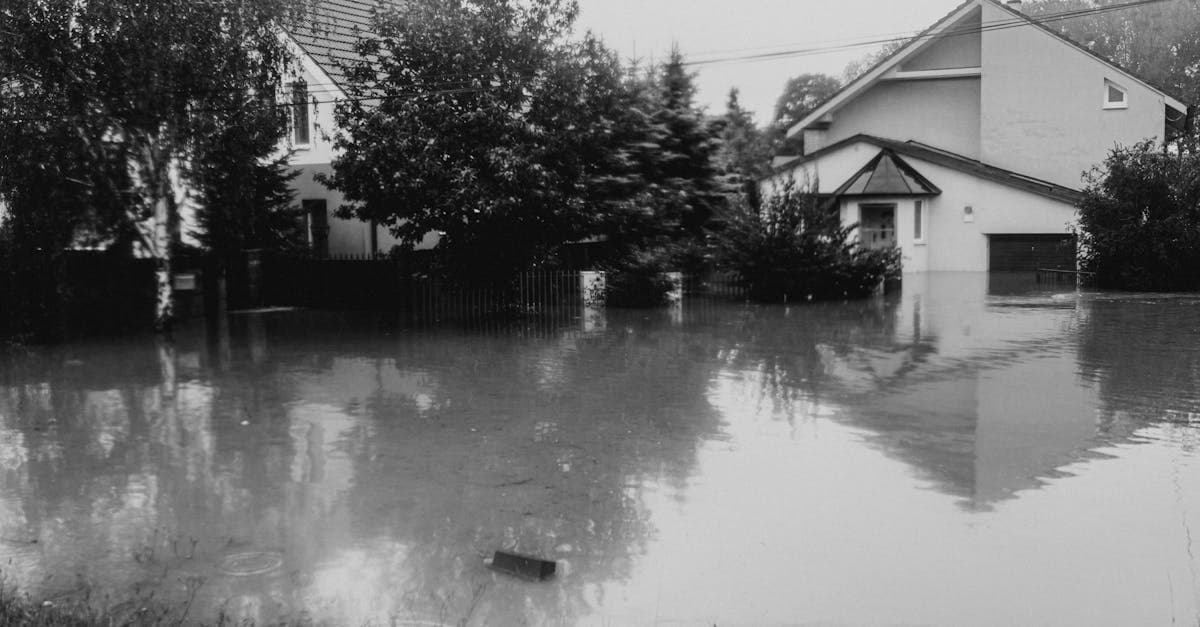
Climate Change Is Expanding Flood Risk Beyond Traditional Flood Zones
Rising temperatures, intensifying storms, and changing precipitation patterns are increasing flood risk in areas historically considered safe. Climate trends are outpacing FEMA flood map updates.

State-by-State Hurricane Deductible Rules: Who Protects Homeowners Best?
Hurricane deductible regulations vary dramatically by state. Florida caps deductible application at once per year while other coastal states allow per-occurrence triggers. Your state's rules directly determine your financial exposure.

What Happens to Your Deductible When a Hurricane Gets Downgraded?
If a hurricane weakens to a tropical storm before reaching your area, the hurricane deductible may not apply. Your policy's trigger language determines whether the downgraded storm still activates the higher deductible.

Hurricane Deductible vs Named Storm Deductible: What Florida Homeowners Need to Know
Some Florida policies use a hurricane deductible while others reference a named storm deductible. The trigger conditions and scope of these deductibles differ, and the distinction affects when the higher deductible applies.

Hurricane Deductible and Mortgage Lender Requirements
Your mortgage lender may have specific requirements about your hurricane deductible percentage. Some lenders cap the allowable deductible at 2 percent to ensure homeowners can afford post-hurricane repairs.

Rising Water vs Falling Rain: The Coverage Line That Determines Your Payout
Insurance draws a sharp line between water falling from above and water rising from below. Rain through a wind-damaged roof is a wind claim. Water rising into your home is a flood claim.

How Much Does Flood Insurance Cost Compared to Homeowners Insurance?
Average homeowners insurance runs $1,500 to $3,000 per year while flood insurance ranges from $300 to $2,500 depending on risk zone. Both costs are modest compared to the water damage each prevents.

Mold and Mildew After Flooding: What Your Flood Insurance Covers and What It Does Not
Flood insurance covers mold damage that results directly from the flood event, but mold that develops because the homeowner failed to take preventive action after flooding may be excluded from coverage.

Flood Insurance Coverage for Appliances: Refrigerators, Washers, and More
Built-in appliances like dishwashers and garbage disposals are covered under building coverage. Portable appliances like refrigerators and washing machines fall under contents coverage in a flood policy.

Flood Insurance for Florida Retirees: Protecting Your Nest Egg From Flood Damage
Florida retirees on fixed incomes face devastating consequences from uninsured flood losses. Flood insurance protects the home equity and savings that retirement depends on.

Flood Insurance Requirements for Florida Condos and Townhouses
Florida condo owners face unique flood insurance requirements. The condo association's master policy may cover the building structure, but individual unit owners need their own flood coverage for contents and improvements.
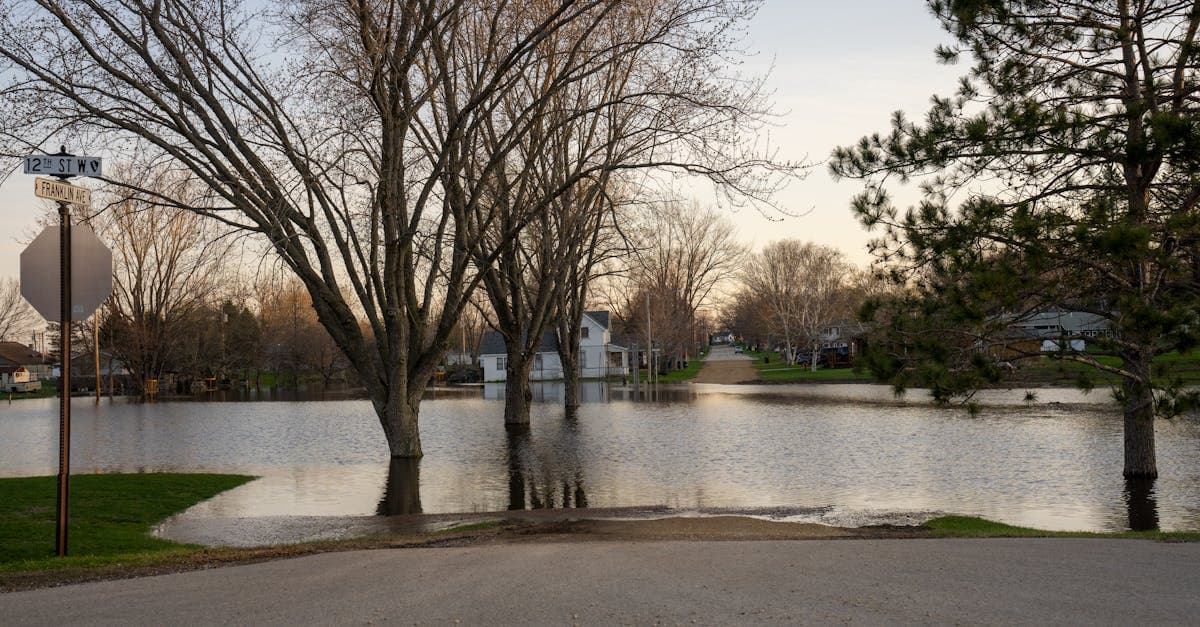
Flood Insurance for Renters: Protecting Your Belongings From Flood Damage
Renters can purchase flood insurance to protect their personal belongings from flood damage. Your landlord's policy covers the building structure but not your furniture, electronics, clothing, or other possessions.
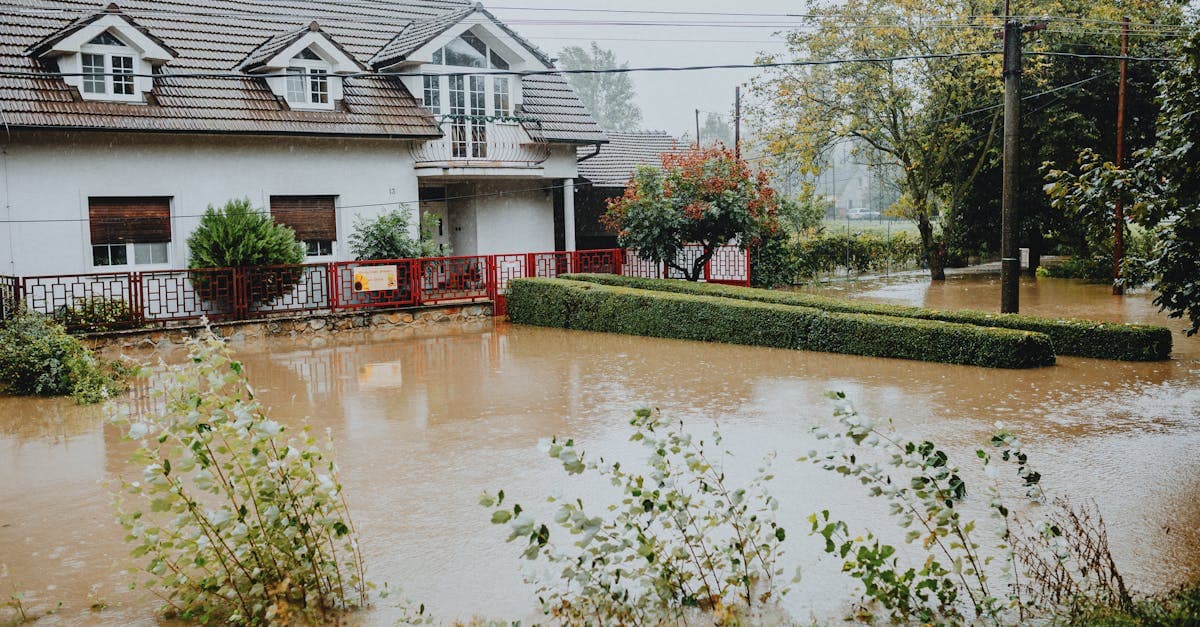
Private Flood Insurance: An Alternative to the NFIP for Homeowners
Private flood insurers now compete with the NFIP, offering policies with broader coverage, higher limits, and sometimes lower premiums. Comparing private and NFIP options helps homeowners find the best flood protection.

How to Verify Your Florida Insurance Company's Financial Strength
Florida's insurance market has experienced insurer insolvencies. Checking your insurer's AM Best rating, Demotech rating, and financial stability protects you from buying a policy from a company that may not survive claims season.

Room Additions and Their Impact on Homeowners Insurance
Adding a room increases your home's square footage and replacement cost. Your dwelling coverage must increase proportionally, and the added living space may also affect your premium calculation.

Property Description and Address Details on Your Declarations Page
Your declarations page includes the physical address and description of your insured property. Verifying these details prevents claim delays caused by address errors or property misidentification.

Police Reports and Incident Documentation for Insurance Claims
Theft, vandalism, and certain weather events require police reports or incident documentation to support your claim. Filing these reports promptly creates an official record that your insurer uses to verify the circumstances of your loss.
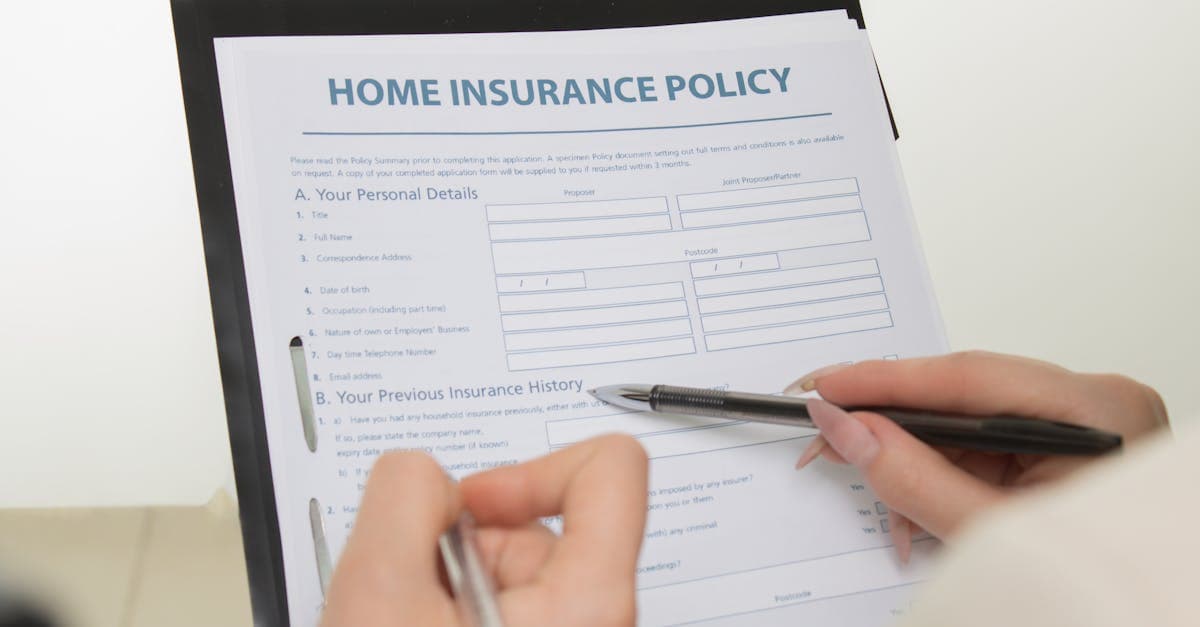
Can You Switch Homeowners Insurance If You Have a Mortgage?
Yes, you can switch insurers even with a mortgage, but your lender must approve the new policy's coverage limits and be listed as mortgagee. Failing to meet lender requirements can trigger force-placed insurance.

How to Verify Your Insurance Discounts Before Renewing
Discounts for bundling, security systems, claims-free history, and home improvements should appear on your renewal documents. Verifying each discount ensures you are not overpaying for your coverage.

How Reinsurance Costs Get Passed Through to Your Homeowners Premium
Insurers purchase reinsurance to protect against catastrophic losses. When reinsurance costs rise due to global disaster trends, those costs are passed through to homeowners as premium increases.

How Your Deductible Works on a Water Damage Claim
Water damage from burst pipes, appliance failures, and sudden leaks triggers your standard homeowners deductible. The deductible applies to the total claim amount including structural and content damage.

What Your Mortgage Lender Requires vs What You Actually Need in Homeowners Insurance
Your lender requires enough dwelling coverage to protect their loan amount, but that minimum may leave you significantly underinsured. The coverage your lender demands and the coverage you actually need are often very different numbers.

The Real Cost of Choosing ACV Over Replacement Cost Coverage
Saving $150 a year on premiums sounds appealing until a $40,000 claim pays only $22,000. The math of ACV versus replacement cost rarely favors the cheaper policy.

When Actual Cash Value Still Applies Even on Replacement Cost Policies
Even with replacement cost coverage, certain items and situations may default to actual cash value. Roofs over a certain age, outbuildings, and items not actually replaced are common exceptions.

Personal Property Coverage Away From Home: Does Your Policy Follow You?
Your personal property coverage extends beyond your home, typically covering belongings stolen from your car, lost during travel, or damaged at another location.
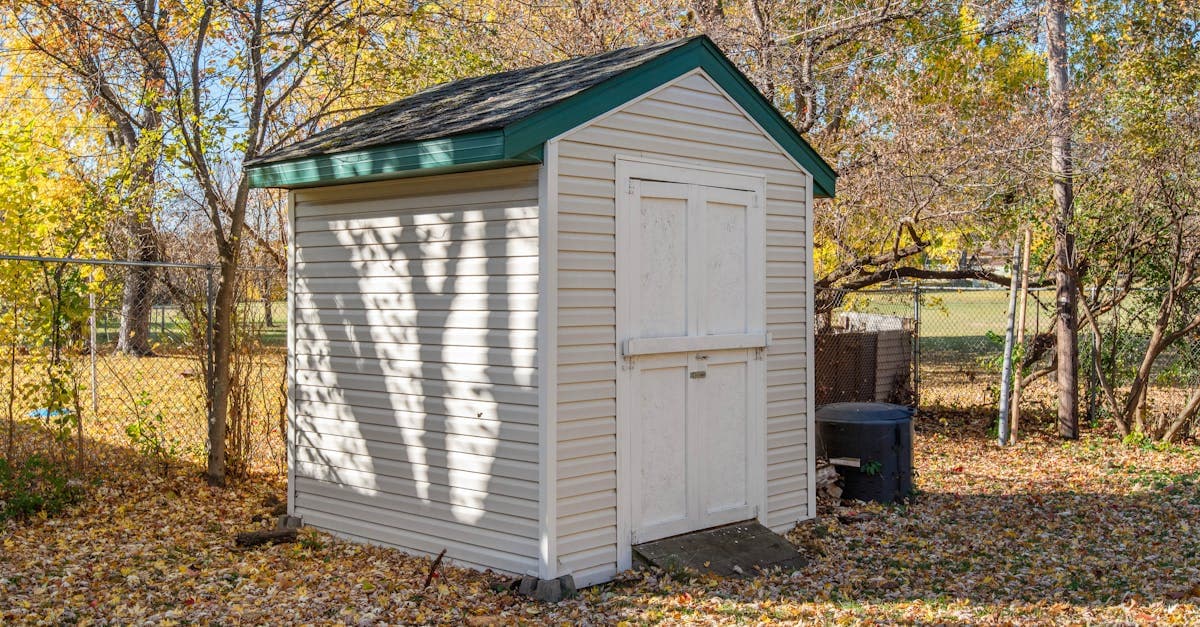
How to Increase Your Other Structures Coverage Beyond the Default Limit
If your detached structures are worth more than 10 percent of your dwelling limit, you can purchase additional Coverage B. Increasing your limit prevents a dangerous gap on detached structure claims.

Dwelling Coverage After a House Fire: How Your Policy Responds
Fire is the most common trigger for major dwelling coverage claims. Understanding how your policy rebuilds your home after fire damage helps you prepare for the claims process.

Loss of Use Coverage for Storm Damage: What Homeowners Need to Know
When a hurricane, tornado, or severe storm makes your home uninhabitable, loss of use coverage pays your temporary living expenses. Here is what to expect from the claims process.

Personal Liability Coverage Away From Home: What Most People Miss
Your homeowners liability coverage follows you beyond your property line. Understanding this off-premises protection reveals coverage you might not know you have.

Does Homeowners Insurance Cover a Stolen Bicycle?
Bicycles stolen from racks, parks, or campuses are covered personal property under most homeowners policies. Knowing your coverage helps you recover the loss.
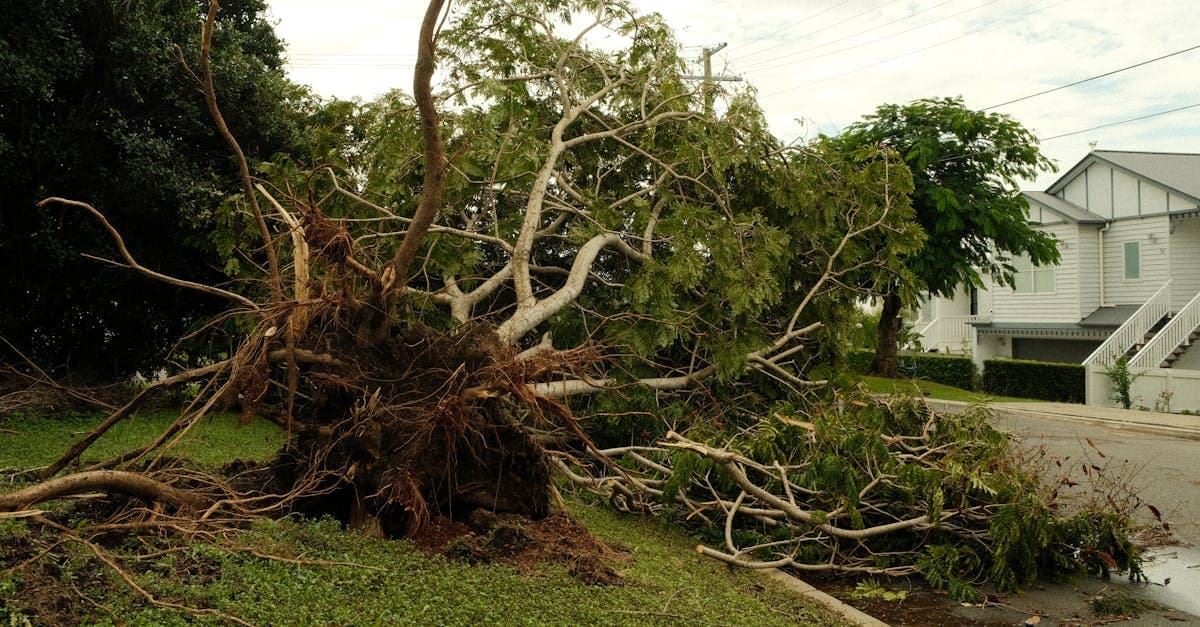
Tree Falls on Power Lines: Who Is Responsible?
When a tree from your property falls on power lines, the utility company handles the lines but you may be responsible for tree removal and any damage caused.

How Hurricane Deductibles Affect Your Storm Damage Claim
Hurricane deductibles work differently from standard deductibles and can cost thousands more out of pocket. Understanding this before storm season prevents financial shock.

Filing a Plumbing Damage Claim: Step-by-Step Process
From shutting off the water to documenting damage, the steps you take immediately after a plumbing failure directly affect your insurance claim outcome.

The Mold Exclusion in Your Homeowners Policy Explained
Almost every homeowners policy contains a mold exclusion with specific exceptions. Reading and understanding this language determines your coverage before mold appears.
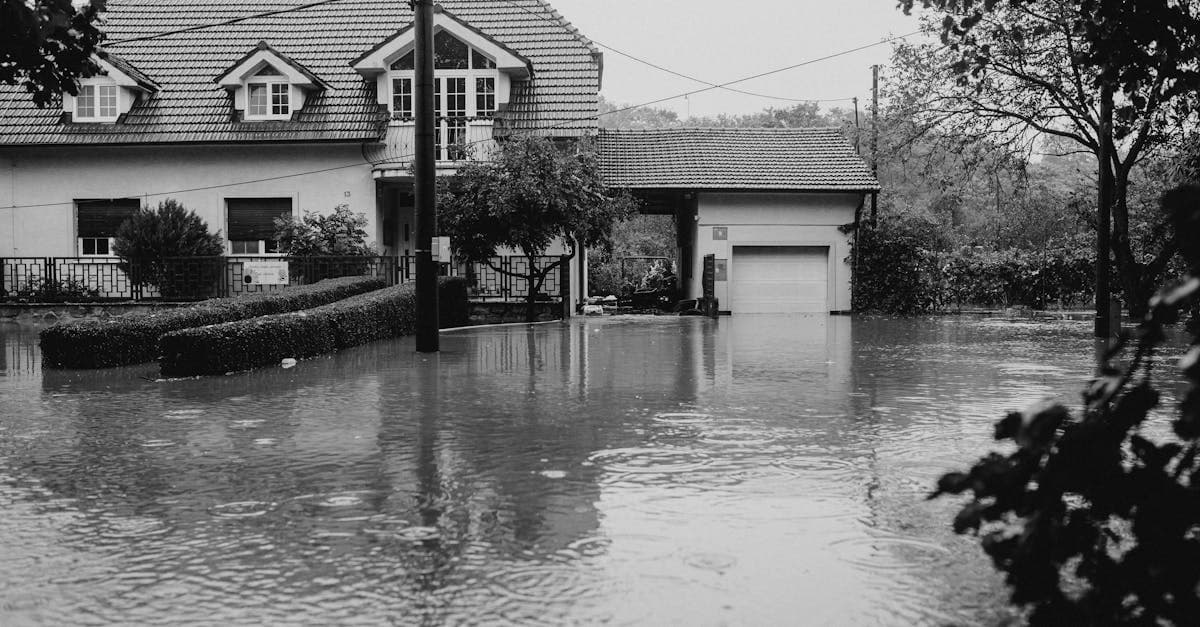
Groundwater Seepage: The Water Damage Your Policy Excludes
Water seeping up through your foundation from saturated ground is excluded from standard homeowners coverage. This common exclusion leaves many homeowners unprotected during heavy rain events.

Roof Leak Water Damage: What Your Home Insurance Actually Pays
When a roof leak damages your ceilings, walls, and belongings, 3 different coverage sections respond. Knowing how each works can boost your settlement.

Intentional Damage: The Exclusion That Has No Workaround
Homeowners insurance never covers damage you cause on purpose. The intentional act exclusion eliminates coverage for deliberate destruction by any insured household member.

Fire and Smoke Damage: How Homeowners Insurance Responds
Fire and smoke damage is one of the most common and devastating homeowners claims. Understanding how your policy covers fire damage helps you recover faster after a loss.

Florida Policy Review Checklist: Every Item You Should Verify Annually
A comprehensive checklist ensures you examine every coverage, limit, deductible, and discount on your Florida policy. Use this guide to conduct a thorough annual review.

How a Florida Insurance Lapse Affects Your Future Premiums
Insurers classify drivers with coverage gaps as higher risk. A single Florida lapse can increase your premiums by 20 to 50 percent for years after the gap is resolved.

How Florida's PIP Coverage Handles Medical Bills After an Accident
Florida's PIP pays 80 percent of reasonable medical expenses up to $10,000 but only if you seek treatment within 14 days. The rules are strict and the limits are low.

What Happens When Your Florida PDL Limit Is Not Enough
When property damage exceeds your PDL limit, you are personally responsible for the difference. This guide explains the financial exposure and how to prevent it.

Florida PIP Coverage Limits: Understanding the $10,000 Cap
Florida PIP provides a maximum of $10,000 in combined benefits per accident. Understanding how this cap applies to medical bills and lost wages helps you plan for potential shortfalls.

Florida Comparative Negligence: How Shared Fault Cuts Your Payout
Florida's modified comparative negligence law reduces your accident payout by your percentage of fault. At 50%+ fault, you may recover nothing. Here's how it works.

Does Your Insurance Cover Injuries When Someone Else Is Driving?
Your liability coverage pays for injuries the borrower causes to others. Understanding the injury claim process protects you from lawsuits.

Car Insurance and Named Insureds: Who Actually Owns the Policy?
The named insured is the policy owner, but coverage extends beyond that person. Understanding who is and is not covered prevents claim disputes.

Anti-Theft Devices and Insurance Discounts: What Actually Saves You Money
GPS trackers, immobilizers, and alarm systems can reduce your comprehensive premium. Learn which devices qualify for discounts and how much you can save.

ADAS Calibration After Windshield Replacement: Who Pays?
Modern vehicles require sensor recalibration after windshield replacement. This hidden cost should be part of your insurance claim, not an out-of-pocket surprise.

Gap Insurance and Vehicle Depreciation: The Core Problem
New vehicles depreciate twenty to thirty percent in the first year. If your loan exceeds the depreciated value, you are upside down — and gap insurance is the solution.

When Does Rental Reimbursement Coverage Start and End?
Coverage begins when your vehicle enters the repair shop and typically ends when repairs are complete or you reach your coverage limit.

How Much Does Roadside Assistance Cost on Your Insurance?
Adding roadside assistance to your auto policy typically costs between ten and thirty dollars per year. The value relative to a single tow bill makes it worthwhile for most drivers.

Why Uninsured Motorist Coverage Is the Best $100 You'll Spend
Uninsured motorist coverage costs around $100/year and can pay six figures if an uninsured driver hits you. No other auto coverage delivers more per dollar.

Stacked vs Unstacked Uninsured Motorist Coverage Explained
Stacking multiplies your UM limits across multiple vehicles. Understanding the difference between stacked and unstacked coverage can dramatically increase your protection.

Comprehensive Insurance for New Car Owners: What to Know First
New vehicles need comprehensive coverage to protect your investment. Lenders require it, and the math strongly favors keeping it.

Collision Coverage for New Cars: Why It Is Almost Always Essential
New vehicles represent significant financial investments. Collision coverage protects that investment from the moment you drive off the lot.

Understanding 100/300/100: What These Liability Numbers Actually Mean
The numbers 100/300/100 represent per-person injury limits, per-accident injury limits, and property damage limits. Understanding this structure helps you evaluate adequacy.

How Much Does Full Coverage Car Insurance Cost? Factors and Averages
Full coverage costs $1,500-3,500+ annually depending on dozens of factors. Understanding what drives the cost helps you find fair pricing for comprehensive protection.

Auto Insurance as Financial Protection: How It Actually Works
Auto insurance transfers the financial risk of driving from your personal assets to an insurance company. Understanding this mechanism reveals why it's essential.

Understanding Policy Limits: Questions That Prevent Underinsurance
Inadequate policy limits leave you exposed to catastrophic out-of-pocket costs. These questions ensure your coverage actually matches your needs.

Insurance Review Frequency: What Financial Advisors Recommend
Financial planning professionals recommend specific review frequencies for different policy types. Their guidance reflects the pace at which coverage needs change.

How Your Credit Score Secretly Affects Your Insurance Premium
In most states, insurers use credit-based insurance scores to set rates. A credit score drop can trigger a premium increase even without a claim.

The Deductible Trap: Why Claims Near Your Deductible Rarely Pay Off
If your loss barely exceeds your deductible, the payout is minimal but the premium consequences are the same as a large claim.

When to File an Auto Insurance Claim After an Accident
Car accidents involve fault determination, injury potential, and liability exposure that often make filing essential regardless of the damage amount.

Homeowners Insurance Claims: Filing for Property Damage
Whether it's storm damage, theft, or a burst pipe, homeowners claims follow specific steps that affect how much you recover.

How Much Do Insurance Endorsements Cost?
Most endorsements add $25 to $200 per year to your premium. The protection they provide typically far exceeds their cost.

The Earthquake Exclusion: Understanding Seismic Coverage Gaps
Standard homeowners policies exclude earthquake damage. In seismically active areas, separate earthquake coverage is essential.

Actual Cash Value for Personal Property: The Depreciation Surprise
Your furniture, electronics, and clothing all depreciate rapidly. Under ACV coverage, your claim payout may be a fraction of replacement cost.
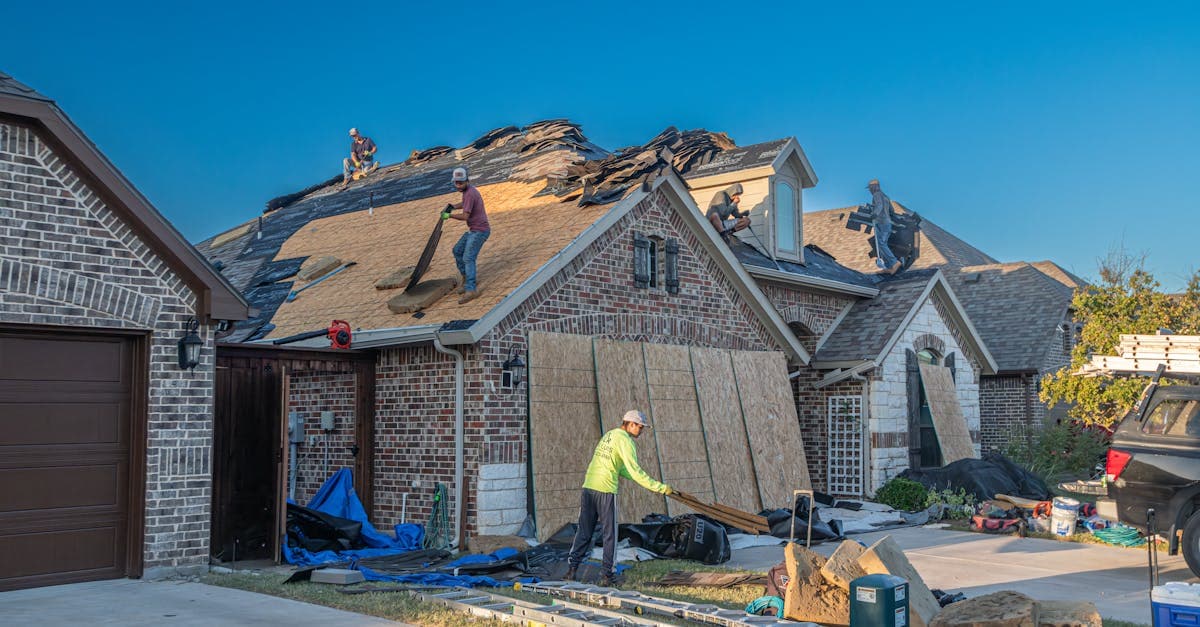
Guaranteed Replacement Cost: The Ultimate Dwelling Protection
Guaranteed replacement cost coverage pays whatever it takes to rebuild your home, regardless of the limit on your policy. Few policies still offer it.

Coverage Limits for Auto Insurance: How Much Is Enough?
State minimums are rarely sufficient. Understanding auto coverage limits helps you protect your assets and your family.

Premiums, Explained: The Price Tag on Financial Protection
Your insurance premium is not just a bill — it is the price of transferring risk to someone who can handle it. Understanding that changes everything.
Your Declarations Page: The One Document You Should Never Ignore
Filed away and forgotten, your declarations page holds critical information about your coverage limits, deductibles, and policy terms.

The Deductible Decision: How to Choose What You Can Afford
Picking the right deductible is a balancing act between monthly savings and financial readiness. Here is how to find your sweet spot.

What Does Insurance Really Cover? Separating Worth from Waste
You pay premiums every month, but do you actually know what your policy will — and won't — pay for when it matters most? Here's the unvarnished truth about what insurance really covers.
