Flood Insurance Requirements for Florida Condos and Townhouses

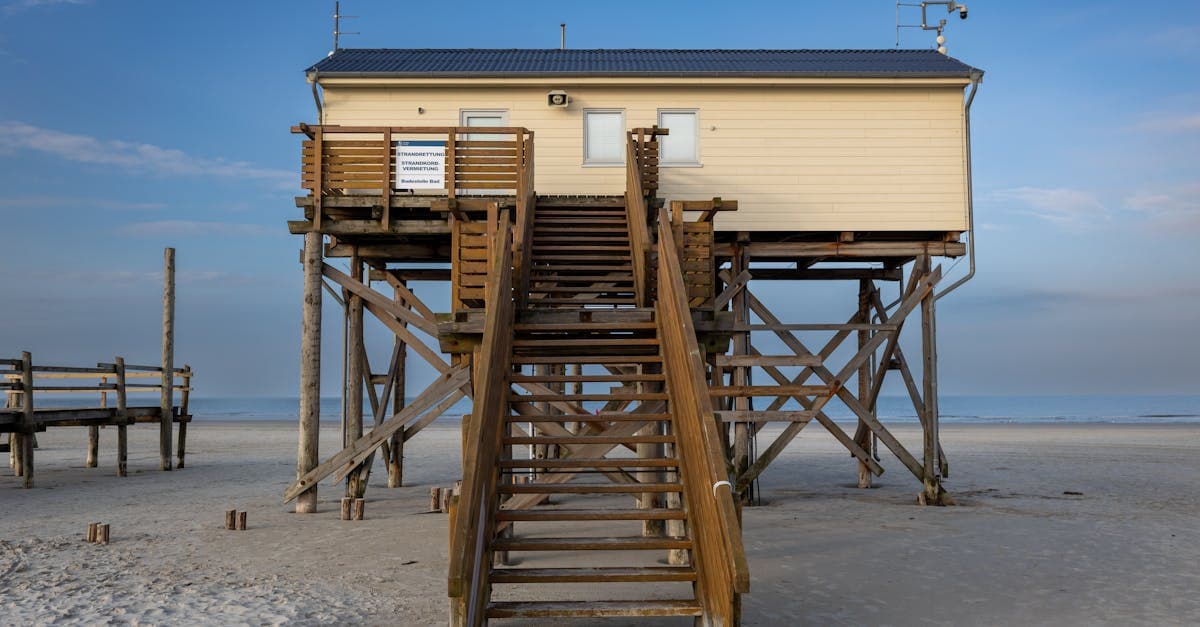
Do you know whether your Florida property is in a FEMA flood zone? Do you know what type of zone it is? Do you know whether your mortgage triggers a mandatory flood insurance requirement? And if no requirement applies, do you know what a single flood event would cost you out of pocket?
These questions matter because flood insurance requirements in Florida are not one-size-fits-all. Your obligation depends on your flood zone designation, your mortgage type, and your lender's specific requirements. Some Florida homeowners must carry flood insurance by law. Others face no legal requirement but enormous financial risk.
The gap between requirement and risk is where the most costly mistakes happen. A homeowner in Zone X with no mortgage requirement drops flood insurance — then a tropical storm dumps 15 inches of rain and the home takes on two feet of water. The absence of a mandate did not prevent the flood, and it will not pay for the $60,000 in damage.
This guide answers every question about flood insurance requirements in Florida — who must carry it, who should carry it, what triggers the mandate, what happens if you drop it, and how to evaluate your risk even when no one requires you to have coverage.
Federal Disaster Assistance and Ongoing Flood Insurance Requirements in Florida
The smart move here is clear. A lesser-known flood insurance requirement in Florida is triggered by receiving federal disaster assistance after a flood event. This requirement applies regardless of your flood zone or mortgage status.
The requirement: Under the Stafford Act, any property owner who receives federal disaster assistance for flood damage is required to maintain flood insurance on the property going forward. This applies to SBA disaster loans, FEMA Individual and Households Program grants, and other federal assistance related to flood damage.
Why it exists: The rationale is straightforward — if taxpayer funds help you recover from a flood once, you are expected to carry insurance to cover future floods rather than relying on taxpayer assistance again. The requirement is designed to reduce the cycle of repeated uninsured flood losses followed by disaster relief.
Duration: The requirement to maintain flood insurance after receiving disaster assistance is effectively permanent for the property. It applies for as long as the property exists at the location where the assistance was provided. If you sell the property, the requirement transfers to the new owner.
Enforcement: FEMA tracks properties that have received disaster assistance, and failure to maintain required flood insurance can result in denial of future disaster assistance. If you received an SBA disaster loan, the flood insurance requirement is a condition of the loan agreement.
Practical implications in Florida: Given the frequency of hurricanes and tropical storms in Florida, many properties have received federal disaster assistance at some point. Homeowners who received assistance after Hurricanes Irma, Michael, Ian, Milton, or other events may be subject to this ongoing requirement even if their property is outside a high-risk flood zone and they have no mortgage.
Checking your status: If you are unsure whether your property has a disaster-assistance-related flood insurance requirement, check your disaster assistance records or contact FEMA. The requirement may have been triggered by a previous owner's claim.
Private Flood Insurance in Florida: An Alternative to the NFIP
The smart move here is clear. Florida has become the leading market for private flood insurance in the United States. Private insurers now offer flood policies that compete with and sometimes surpass the NFIP in coverage, pricing, and flexibility.
Meeting federal requirements with private coverage: Federal law allows private flood insurance policies to satisfy the mandatory purchase requirement if the policy meets specific standards. The policy must provide coverage at least as broad as the standard NFIP policy, be issued by a licensed insurer, and include a cancellation notice provision. Most private flood policies marketed in Florida meet these standards.
Advantages of private flood insurance: Private policies often offer higher coverage limits than the NFIP's $250,000 building maximum — some provide up to $1 million or more. They may include replacement cost coverage for contents, loss of use coverage for additional living expenses, and coverage for items the NFIP does not cover such as pool equipment and landscaping.
Pricing comparison: Private flood insurance is sometimes less expensive than the NFIP, particularly for properties that were adversely affected by Risk Rating 2.0 premium increases. Private insurers use their own risk models and may price certain properties more favorably. However, in other cases the NFIP is still the more affordable option.
Availability considerations: Private flood insurance availability in Florida fluctuates with the insurance market cycle. After major hurricane seasons, some private flood insurers pull back from the market, leaving homeowners to return to the NFIP. This market volatility is an important consideration when choosing between private and NFIP coverage.
Switching considerations: If you switch from NFIP to private flood insurance and later need to return to the NFIP, you may lose grandfathered premium rates. Consult with a flood insurance specialist before switching to understand the long-term implications.
Federal Disaster Assistance and Ongoing Flood Insurance Requirements in Florida
The smart move here is clear. A lesser-known flood insurance requirement in Florida is triggered by receiving federal disaster assistance after a flood event. This requirement applies regardless of your flood zone or mortgage status.
The requirement: Under the Stafford Act, any property owner who receives federal disaster assistance for flood damage is required to maintain flood insurance on the property going forward. This applies to SBA disaster loans, FEMA Individual and Households Program grants, and other federal assistance related to flood damage.
Why it exists: The rationale is straightforward — if taxpayer funds help you recover from a flood once, you are expected to carry insurance to cover future floods rather than relying on taxpayer assistance again. The requirement is designed to reduce the cycle of repeated uninsured flood losses followed by disaster relief.
Duration: The requirement to maintain flood insurance after receiving disaster assistance is effectively permanent for the property. It applies for as long as the property exists at the location where the assistance was provided. If you sell the property, the requirement transfers to the new owner.
Enforcement: FEMA tracks properties that have received disaster assistance, and failure to maintain required flood insurance can result in denial of future disaster assistance. If you received an SBA disaster loan, the flood insurance requirement is a condition of the loan agreement.
Practical implications in Florida: Given the frequency of hurricanes and tropical storms in Florida, many properties have received federal disaster assistance at some point. Homeowners who received assistance after Hurricanes Irma, Michael, Ian, Milton, or other events may be subject to this ongoing requirement even if their property is outside a high-risk flood zone and they have no mortgage.
Checking your status: If you are unsure whether your property has a disaster-assistance-related flood insurance requirement, check your disaster assistance records or contact FEMA. The requirement may have been triggered by a previous owner's claim.
The Federal Flood Insurance Mandate in Florida
Strategically, this matters because The foundation of flood insurance requirements in Florida is federal law, specifically the National Flood Insurance Act of 1968 and the Flood Disaster Protection Act of 1973. These laws created the framework that the required safety equipment that federal rules mandate for Florida homeowners playing in the highest-risk flood zones in the country.
Who is covered by the mandate: Any property in a FEMA-designated Special Flood Hazard Area with a mortgage from a federally regulated or insured lender must carry flood insurance. This includes FHA loans, VA loans, USDA loans, and conventional loans sold to Fannie Mae or Freddie Mac — which covers the vast majority of residential mortgages in Florida.
What triggers the requirement: Two conditions must be met simultaneously. First, the property must be located in a Special Flood Hazard Area as shown on FEMA's Flood Insurance Rate Map. Second, the property must be secured by a loan from a federally regulated or federally insured financial institution. If either condition is absent, the federal mandate does not apply.
Coverage amount required: Federal law requires flood insurance coverage at least equal to the lesser of the outstanding mortgage balance or the maximum amount available under the NFIP — currently $250,000 for residential structures. Your lender may require more, but the federal minimum is the lesser of these two amounts.
Duration of the requirement: The flood insurance requirement lasts for the entire term of the mortgage. It cannot be waived or removed while the federally backed loan is outstanding, unless the property is officially removed from the Special Flood Hazard Area through a FEMA map revision.
Enforcement mechanism: Lenders are required by federal banking regulators to verify flood insurance at closing and monitor it throughout the loan. If a homeowner fails to maintain required coverage, the lender must force-place flood insurance — a more expensive policy that protects the lender's interest — and charge the cost to the borrower.
Flood Insurance Requirements for Florida Condos, Townhouses, and Renters
Strategically, this matters because Florida's large condo and rental markets create unique flood insurance questions. The requirements differ based on property type, ownership structure, and the nature of the mortgage.
Condo association master policies: In Florida flood zones, condo associations are expected to carry flood insurance on the building structure through the NFIP's Residential Condominium Building Association Policy. This master policy covers the building's common elements and structural components but does not cover individual unit improvements or personal property.
Individual condo owner coverage: Even when the association carries a master flood policy, individual Florida condo owners in flood zones need their own NFIP dwelling policy. This covers unit improvements — upgraded flooring, custom cabinetry, built-in fixtures — and personal property up to NFIP limits. Lenders may require individual coverage as a condition of the unit mortgage.
Townhouse considerations: Whether a townhouse in Florida is treated as a single-family home or a condo for flood insurance purposes depends on the ownership structure and declaration of condominium. Townhouses with individual fee-simple ownership are typically insured as single-family homes under the NFIP Standard Flood Insurance Policy.
Renters and flood insurance: Renters in Florida are not required to carry flood insurance because they do not own the structure and typically do not have a mortgage triggering the mandate. However, a landlord's flood policy does not cover the renter's personal property. NFIP contents-only policies are available for renters and are especially important in flood-prone Florida.
Landlord obligations: Florida landlords with federally backed mortgages on rental properties in flood zones must carry flood insurance on the building structure. The requirement follows the mortgage and property, not the occupancy type. Landlords should also consider whether their flood policy covers rental income loss during flood repairs.
The Federal Flood Insurance Mandate in Florida
Strategically, this matters because The foundation of flood insurance requirements in Florida is federal law, specifically the National Flood Insurance Act of 1968 and the Flood Disaster Protection Act of 1973. These laws created the framework that the required safety equipment that federal rules mandate for Florida homeowners playing in the highest-risk flood zones in the country.
Who is covered by the mandate: Any property in a FEMA-designated Special Flood Hazard Area with a mortgage from a federally regulated or insured lender must carry flood insurance. This includes FHA loans, VA loans, USDA loans, and conventional loans sold to Fannie Mae or Freddie Mac — which covers the vast majority of residential mortgages in Florida.
What triggers the requirement: Two conditions must be met simultaneously. First, the property must be located in a Special Flood Hazard Area as shown on FEMA's Flood Insurance Rate Map. Second, the property must be secured by a loan from a federally regulated or federally insured financial institution. If either condition is absent, the federal mandate does not apply.
Coverage amount required: Federal law requires flood insurance coverage at least equal to the lesser of the outstanding mortgage balance or the maximum amount available under the NFIP — currently $250,000 for residential structures. Your lender may require more, but the federal minimum is the lesser of these two amounts.
Duration of the requirement: The flood insurance requirement lasts for the entire term of the mortgage. It cannot be waived or removed while the federally backed loan is outstanding, unless the property is officially removed from the Special Flood Hazard Area through a FEMA map revision.
Enforcement mechanism: Lenders are required by federal banking regulators to verify flood insurance at closing and monitor it throughout the loan. If a homeowner fails to maintain required coverage, the lender must force-place flood insurance — a more expensive policy that protects the lender's interest — and charge the cost to the borrower.
The Strategic Approach to Flood Insurance in Florida
The most important insight from this guide is that flood insurance requirements in Florida are a minimum standard, not a comprehensive protection plan. The federal mandate captures properties in the highest-risk zones with federal mortgages — a vital safety net, but one that leaves millions of at-risk Florida properties without required coverage.
For homeowners in mandatory zones, the strategic priority is ensuring adequate coverage, not just minimum compliance. NFIP limits of $250,000 may not cover your home's full replacement cost. Consider excess flood coverage to close the gap.
For homeowners outside mandatory zones, the strategic priority is honest risk assessment. Florida's geography makes flood risk pervasive. A voluntary policy — particularly an affordable Preferred Risk Policy — provides protection that could prevent financial catastrophe.
For all Florida homeowners, the strategic priority is staying informed as flood maps evolve, climate risk increases, and the insurance market changes. Properties that are outside mandatory zones today may be in them tomorrow. Properties with affordable premiums today may face significant increases as Risk Rating 2.0 takes full effect.
Treat flood insurance as an essential component of Florida homeownership, not an optional expense. The requirements exist for a reason — and that reason applies to far more properties than the mandate covers.
Continue reading

How Deductible Choices Affect Your Insurance Quote Comparison
Changing your deductible dramatically changes your premium — but it also changes your out-of-pocket risk. Understanding this tradeoff across multiple quotes reveals which deductible level offers the best balance.

The Post-Claim Policy Checkup: What to Review After Filing a Claim
After filing an insurance claim, review your coverage to ensure your limits are still adequate, your deductible still makes sense, and any coverage gaps revealed by the claim are addressed.

Assignment of Benefits and Roof Repair Claims After a Storm
Storm chasers and roofing contractors often present AOBs to homeowners after hurricanes and hail storms. Understanding the risks of signing helps you protect your claim and your roof.