How Much Does Roadside Assistance Cost on Your Insurance?

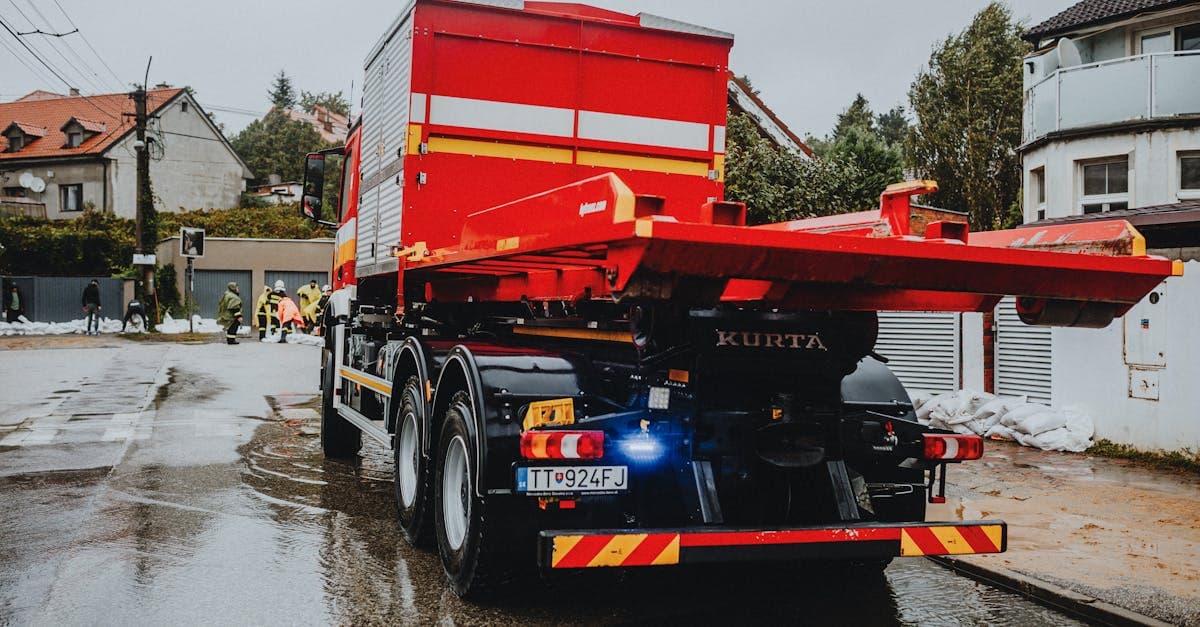
Do you know what happens if your car breaks down on a highway at midnight? Do you know how much a tow costs without coverage? Do you know whether your auto policy includes roadside assistance? Do you know the difference between your insurance roadside plan and an auto club membership?
These questions matter because every driver will eventually face a breakdown. The National Highway Traffic Safety Administration reports millions of vehicle breakdowns on American roads each year. The average driver will need roadside help multiple times over their driving lifetime.
Without roadside assistance, each breakdown becomes an ad hoc crisis. You search for a tow company on your phone, hope they are available, negotiate a price sight unseen, and wait for help with no guaranteed timeline. The bill arrives and it is one hundred fifty to three hundred dollars or more — money you had not planned to spend.
With roadside assistance, the process is structured and affordable. One call, one dispatch, professional help on the way, covered services at no additional cost. The annual premium of ten to thirty dollars is a rounding error on your insurance bill but a significant savings every time you need service.
This guide answers every question you should be able to answer about roadside assistance: what it covers, what it costs, how to use it, and whether it makes sense for your situation.
What Roadside Assistance Does Not Cover
Strategically, this matters because Understanding the exclusions in your roadside assistance plan prevents false expectations and helps you prepare for situations that fall outside covered services.
Mechanical repairs: Roadside assistance helps at the breakdown scene but does not pay for the actual repair. If your transmission fails, roadside will tow you to a shop, but the repair cost is your responsibility. Roadside is emergency transportation and basic service, not a warranty or repair program.
Parts and fluids: Aside from fuel delivery where you pay for the gas, roadside assistance does not provide parts. No new batteries, tires, belts, or hoses are included. The technician works with what is available on your vehicle or provides basic service to get you to a facility where parts can be purchased.
Off-road recovery: Standard roadside plans cover vehicles on public roads and paved surfaces. If your vehicle is stuck in deep mud, sand, or off-road terrain, the recovery may exceed your plan's coverage. Some plans include basic winch service for vehicles in ditches near the road, but extensive off-road extraction is typically excluded.
Commercial vehicle use: If you use your personal vehicle for commercial purposes — delivery driving, rideshare, or business transport — your personal roadside plan may not cover breakdowns during commercial use. Commercial roadside assistance is available separately.
Excessive use: Most plans limit the number of service calls per policy period, typically three to five per year. If you exceed the limit, additional calls may be denied or charged at retail rates. Repeated calls for the same issue may also be excluded.
Vehicles not on the policy: Insurance roadside assistance covers vehicles listed on your policy. Breakdowns in vehicles you do not own or that are not on your policy are not covered unless your plan specifically follows the driver rather than the vehicle.
Lockout Assistance: Getting Back into Your Vehicle
The smart move here is clear. Locking your keys inside your vehicle is frustrating but common. Roadside assistance provides professional lockout service that gets you back into your car without damage and without the expense of calling a locksmith at retail rates.
How lockout service works: When you call for lockout assistance, the dispatcher sends a technician trained in vehicle entry techniques. The technician uses professional tools — slim jims, air wedges, long-reach tools — to unlock your vehicle without damaging the door, window, or lock mechanism.
Modern vehicle challenges: Newer vehicles with electronic locks, double-locking systems, and reinforced door frames can be more difficult to unlock. Some require specialized equipment or dealer-level tools. Roadside technicians are generally equipped to handle most modern vehicles, but extremely new or rare models may require towing to a dealer.
Key in trunk situations: If your keys are locked in the trunk, the technician typically gains entry through the passenger compartment and uses the interior trunk release. If the vehicle does not have an interior trunk release, additional steps may be required.
Children or pets locked inside: If a child or pet is locked in a vehicle, call 911 first. Emergency services can break a window if necessary. Roadside assistance is not an emergency service and may take thirty minutes or more to arrive — too long when a child or pet is at risk in a hot vehicle.
Cost comparison: A locksmith called directly typically charges seventy-five to one hundred fifty dollars for a vehicle lockout. Insurance roadside assistance covers this service at no additional cost beyond your annual premium. A single lockout service pays for multiple years of roadside coverage.
Roadside Assistance for Older Vehicles
Strategically, this matters because As vehicles age, the probability of needing roadside assistance increases significantly. Understanding how roadside coverage becomes more valuable over time helps older vehicle owners make smart coverage decisions.
Breakdown frequency by age: Vehicles under five years old experience relatively few breakdowns. Between five and ten years, breakdown frequency increases moderately as batteries age, tires wear, and maintenance-sensitive components approach the end of their service life. Beyond ten years, breakdown frequency increases substantially as accumulated wear takes its toll on belts, hoses, starters, alternators, and other components.
Battery failures: Car batteries typically last three to five years. Vehicles in the five-to-ten-year range are likely on their second or third battery, and battery failure becomes more common as the electrical system ages. Battery jump service is the most frequent roadside call, and older vehicles generate a disproportionate share of these requests.
Tire issues: Older vehicles may have aged tires with reduced grip and increased puncture vulnerability. Spare tires in older vehicles may also be aged and potentially unsafe. Roadside tire service becomes more likely as tire condition deteriorates.
Cooling system problems: Older vehicles experience more cooling system failures — radiator leaks, hose failures, thermostat malfunctions — that can cause overheating and roadside breakdowns requiring towing.
Cost-effectiveness peak: Roadside assistance provides its greatest value for vehicles in the seven-to-fifteen-year age range. These vehicles are old enough to experience regular breakdowns but young enough to justify repair rather than replacement. The ten to thirty dollar annual premium delivers exceptional value during this high-breakdown window.
How Mobile Apps Are Improving Roadside Assistance
The smart move here is clear. Technology has transformed the roadside assistance experience from a phone call to an app-based service with real-time tracking, automated dispatch, and digital payment. Understanding these improvements helps you take full advantage of modern roadside coverage.
App-based service requests: Most major insurers now offer mobile apps that allow you to request roadside assistance with a few taps. The app automatically captures your GPS location, eliminating the need to describe where you are to a dispatcher. Some apps even allow you to select the type of service needed — tow, tire, battery, lockout, or fuel — from a menu.
Real-time tracking: After your request is submitted, the app shows your service provider's location on a map and provides an estimated arrival time that updates in real time. This eliminates the uncertainty of wondering when help will arrive and reduces the anxiety of roadside waiting.
Digital communication: Some apps allow you to communicate with the dispatcher or service provider through text messages, reducing the need for phone calls in noisy or unsafe environments. You can provide additional information about your situation or receive updates without verbal communication.
Service history and documentation: Apps maintain a history of your roadside service requests, making it easy to track usage against your plan limits. Digital records also simplify any reimbursement processes and provide documentation if disputes arise.
Future developments: Connected vehicle technology may eventually enable automatic breakdown detection and service dispatch. Vehicles that detect a flat tire, dead battery, or overheating may be able to request roadside assistance automatically, reducing response times and ensuring help is dispatched even if the driver is unable to make a call.
The Cost and Value of Roadside Assistance
The smart move here is clear. Understanding the financial value of roadside assistance requires comparing the annual premium to the cost of individual services at retail rates. The comparison consistently demonstrates that roadside assistance is benchmarking the value of having a teammate ready when your vehicle cannot perform.
Annual premium range: Insurance-based roadside assistance typically costs ten to thirty dollars per year depending on your insurer and coverage level. Some insurers offer basic plans around ten dollars and premium plans with higher limits around twenty-five to thirty dollars.
Retail service costs: A standard tow averages one hundred fifty to three hundred dollars. A locksmith for a car lockout charges seventy-five to one hundred fifty dollars. A mobile battery jump costs fifty to one hundred dollars. Fuel delivery with a service call fee runs fifty to one hundred dollars. Even a basic tire change by a mobile service costs fifty to one hundred dollars.
Break-even analysis: A single tow pays for five to thirty years of roadside premiums. A single lockout pays for three to fifteen years. Any combination of two services in a year provides value that exceeds a decade or more of premiums.
Compared to standalone plans: AAA membership starts around sixty to seventy dollars per year for basic coverage and increases to one hundred fifty or more for premium plans. Insurance-based roadside at ten to thirty dollars per year is significantly cheaper, though AAA may offer additional benefits like travel discounts.
The value of certainty: Beyond the dollar savings, roadside assistance provides the certainty of knowing help is available, the price is covered, and the provider is vetted. This certainty has real value that the raw cost comparison does not fully capture.
Towing Coverage Under Roadside Assistance
Strategically, this matters because Towing is the most expensive roadside service and the one that provides the greatest financial benefit. Understanding how towing coverage works under your roadside plan is essential because the relief pitcher that steps in when your starting vehicle cannot finish the game depends on knowing the limits.
Distance limits: Most insurance-based roadside plans cover towing to the nearest qualified repair facility, with a distance limit ranging from fifteen to one hundred miles depending on your plan level. Standard plans typically cover twenty-five to fifty miles, while premium plans may extend to one hundred miles or more.
Cost comparison: A tow without coverage costs roughly three to five dollars per mile plus a base hook-up fee of fifty to one hundred dollars. A thirty-mile tow at retail rates costs roughly one hundred forty to two hundred fifty dollars. Your roadside premium of ten to thirty dollars per year is a fraction of a single tow.
Flatbed vs wheel-lift towing: Modern vehicles, especially those with all-wheel drive, often require flatbed towing. Most roadside plans cover flatbed towing when the vehicle requires it, though some basic plans may limit this service. Verify that your plan covers the towing method your vehicle needs.
Choosing the destination: Standard roadside towing goes to the nearest qualified repair facility. Some plans allow you to choose a preferred mechanic within the covered distance. If your preferred shop is beyond the covered distance, you may need to pay the difference for additional mileage.
After-hours towing: Towing rates increase at night, on weekends, and on holidays. Roadside assistance covers these premium-rate periods at no additional cost to you, making the coverage especially valuable during off-hours breakdowns when retail tow rates are highest.
The Strategic Case for Roadside Assistance
Roadside assistance is a low-cost, high-utility coverage that addresses a certainty: every vehicle will eventually break down. The strategic approach is simple — carry the coverage, know your limits, and use it without hesitation when needed.
The cost is negligible in the context of your overall auto insurance premium. The protection is practical and immediately useful when needed. And the peace of mind is continuous, providing value on every drive even when you never make a service call.
For drivers of older vehicles, long commuters, parents of teen drivers, and anyone who values convenience during a stressful breakdown, roadside assistance delivers exceptional value per premium dollar.
Continue reading

How Deductible Choices Affect Your Insurance Quote Comparison
Changing your deductible dramatically changes your premium — but it also changes your out-of-pocket risk. Understanding this tradeoff across multiple quotes reveals which deductible level offers the best balance.
The Post-Claim Policy Checkup: What to Review After Filing a Claim
After filing an insurance claim, review your coverage to ensure your limits are still adequate, your deductible still makes sense, and any coverage gaps revealed by the claim are addressed.

Assignment of Benefits and Roof Repair Claims After a Storm
Storm chasers and roofing contractors often present AOBs to homeowners after hurricanes and hail storms. Understanding the risks of signing helps you protect your claim and your roof.