The Mold Exclusion in Your Homeowners Policy Explained

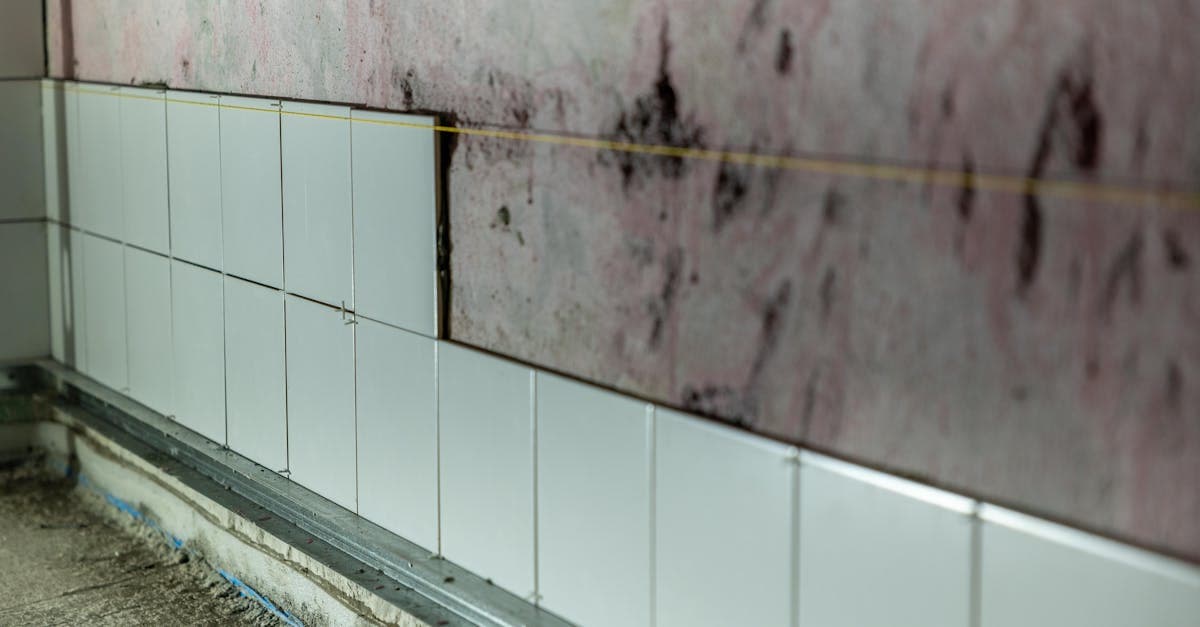
Can you answer these questions about your homeowners insurance and mold? Does your policy cover mold at all? If so, what is your mold sublimit? Does your policy require a separate mold endorsement? Do you know which triggering events qualify for mold coverage and which do not?
If you hesitated on any of those questions, you are in the majority. Surveys consistently show that homeowners dramatically overestimate their mold coverage. Most believe their homeowners policy provides full mold remediation coverage without limits. The reality is that mold is one of the most restricted perils in standard homeowners insurance.
This knowledge gap becomes expensive when mold appears. Homeowners who assumed they were covered file claims that get denied. Others who knew about sublimits discover their $5,000 mold cap does not come close to covering a $15,000 remediation. And many homeowners in high-humidity states discover that their policies contain some of the strictest mold exclusions in the country.
The cost of this knowledge gap is entirely preventable. Reading your policy's mold provisions takes twenty minutes. Calling your agent to clarify your mold coverage takes ten. Adding a mold endorsement if needed takes five minutes and costs a modest annual premium. This guide gives you the knowledge to make these small investments in understanding pay off enormously.
Mold Coverage for Florida Homeowners
The smart move here is clear. Florida's warm, humid climate makes mold one of the most common household problems in the state. This elevated risk has shaped how Florida insurers approach mold coverage, creating a landscape that Florida homeowners must understand.
Florida mold coverage trends: Many Florida homeowners policies have adopted stricter mold exclusions and lower sublimits than policies in less humid states. Some Florida insurers exclude mold almost entirely from their base policies, requiring a separate endorsement for any mold coverage. This trend reflects the high frequency and cost of mold claims in the state.
Common Florida mold scenarios: Hurricane damage that allows water intrusion, tropical storm flooding, air conditioning failures during humid months, and plumbing failures in aging homes are the most common mold triggers for Florida homeowners. Understanding which of these scenarios your policy covers is essential in a state where mold risk is ever-present.
Florida insurance regulations: Florida's Office of Insurance Regulation oversees how insurers handle mold coverage and claims. State regulations require insurers to disclose mold coverage limitations clearly. Understanding your rights under Florida insurance law helps you evaluate your coverage and dispute denials when warranted.
Hurricane-related mold: When a hurricane damages your home and allows water intrusion that leads to mold, the mold is typically covered because the triggering event — hurricane wind damage — is a covered peril. However, if flooding from storm surge causes the water intrusion, the mold falls under the flood exclusion. This wind versus flood distinction is critical in Florida.
Florida mold endorsement options: Given the elevated mold risk, Florida homeowners should seriously consider mold endorsements that increase their sublimits. The additional premium is a worthwhile investment in a state where the question is not if you will encounter mold but when.
Mold Exclusions: What Your Policy Will Not Cover
The smart move here is clear. Understanding mold exclusions is arguably more important than understanding what is covered, because the excluded scenarios are far more common than the covered ones. Most mold growth in homes results from conditions your policy deliberately excludes.
Gradual moisture exclusion: The most common mold exclusion applies to mold from moisture that accumulated gradually. Slow leaks under sinks, behind walls, or in crawl spaces that produce mold over weeks or months are excluded. The insurer's position is that regular maintenance and inspection should have caught the moisture before mold developed.
Humidity and condensation exclusion: Mold from high indoor humidity, condensation on windows or walls, or inadequate climate control is excluded. These conditions are considered controllable through proper ventilation, dehumidification, and HVAC maintenance — making them maintenance issues, not insurable perils.
Flood exclusion: Mold resulting from flood damage is excluded from standard homeowners insurance because flood damage itself is excluded. Even if you have a separate flood insurance policy through the NFIP, that policy has its own mold coverage limitations. The gap between homeowners and flood mold coverage catches many homeowners in flood-prone areas.
Maintenance neglect exclusion: Mold resulting from deferred maintenance — clogged gutters causing water backup, deteriorated caulking around windows, unsealed exterior penetrations, or neglected plumbing fixtures — is excluded. Insurers classify these as homeowner responsibilities.
Earth movement exclusion: Mold from foundation cracks caused by settling, earthquakes, or soil movement is excluded because the underlying earth movement is excluded from standard policies.
Documenting Mold Damage for Your Insurance Claim
Strategically, this matters because The strength of your mold claim depends heavily on the quality of your documentation. Thorough documentation establishes the cause, timeline, and extent of mold damage — the three factors your insurer evaluates most closely.
Photograph everything immediately: Take photos of all visible mold, water damage, moisture stains, and affected materials before any cleanup begins. Include wide shots showing the affected area's context and close-ups of mold growth patterns. Photograph the suspected moisture source if visible — the burst pipe, failed appliance, or storm damage that triggered the mold.
Document the moisture source: Your claim's success depends on proving the mold resulted from a covered peril. Photograph the water source, save the failed component if possible, and note the date and time you discovered both the water damage and the mold. If a plumber or contractor identifies the moisture source, get their assessment in writing.
Keep a timeline: Record when you first noticed signs of mold — musty smells, visible growth, stains, or health symptoms. Note when you discovered the moisture source, when you reported the claim, and when you took mitigation steps. This timeline helps establish that the mold developed from a sudden event, not gradual neglect.
Professional assessments: Hire a certified mold inspector to assess the extent of contamination and identify the moisture source. Their professional report carries significant weight with insurers. Make sure the inspector is certified by a recognized organization and uses standardized testing protocols.
Mitigation documentation: Document every step you take to mitigate the damage — water extraction, drying equipment deployment, temporary repairs, and protective measures. Save receipts for all mitigation expenses. Your insurer is more likely to approve your claim when documentation shows you acted promptly and responsibly.
Mold Remediation and Building Code Requirements
The smart move here is clear. When mold remediation requires opening walls, removing flooring, or making significant structural repairs, the exposed construction may need to be brought up to current building codes. This additional cost can significantly increase your total remediation expense.
Code compliance triggers: Building codes change over time. When mold remediation exposes construction from an earlier era — outdated wiring, insufficient insulation, non-compliant framing, or obsolete plumbing — local building authorities may require upgrades before the area can be closed up again. These upgrades add costs beyond the mold remediation itself.
Ordinance or law coverage: Many homeowners policies include ordinance or law coverage that helps pay for building code upgrades required during covered repairs. If your mold claim is approved and the remediation triggers code compliance requirements, this coverage can offset the additional costs. Check your policy for this coverage and its limits.
Common code issues during mold remediation: Bathroom mold remediation may reveal inadequate ventilation that requires fan installation or ductwork upgrades. Wall mold removal may expose electrical wiring that does not meet current code. Basement mold projects may trigger moisture barrier or drainage requirements that did not exist when the home was built.
Permit requirements: Significant mold remediation projects may require building permits, which trigger code inspection. Understanding your local permit requirements helps you plan for potential code upgrade costs. Your remediation contractor should be familiar with local requirements and include permit costs in their estimate.
Coverage interaction: The relationship between your mold sublimit, your ordinance or law coverage, and your overall dwelling coverage can be complex. Clarify with your agent how these coverages interact before you need them, so code compliance costs do not create unexpected gaps in your remediation funding.
The Mold Remediation Process and Insurance Coverage
Strategically, this matters because Understanding how professional mold remediation works helps you navigate the insurance claim process and ensure the work done in your home meets both industry standards and your insurer's requirements.
Assessment and testing: Remediation begins with professional assessment to determine the mold type, extent, and moisture source. Air sampling and surface testing identify mold species and concentration. This testing costs $300 to $800 and is typically covered under your mold sublimit when the claim is approved.
Containment: Remediation professionals establish containment using plastic sheeting and negative air pressure to prevent mold spores from spreading to unaffected areas during removal. This step is critical for both health protection and preventing additional damage that could increase your claim.
Removal and cleaning: Affected materials are removed, bagged, and disposed of according to environmental regulations. Porous materials like drywall, insulation, and carpet padding that contain mold are typically removed entirely. Non-porous surfaces are cleaned, sanitized, and treated with antimicrobial solutions.
Structural drying: After mold removal, the affected area must be thoroughly dried to prevent regrowth. Industrial dehumidifiers and air movers run continuously until moisture readings reach acceptable levels. This drying phase can take several days and is a critical part of the remediation process.
Post-remediation verification: After remediation, clearance testing verifies that mold levels have returned to acceptable concentrations. This testing confirms the remediation was successful and provides documentation for your insurance claim. Most insurers require clearance testing before approving final payment.
How Homeowners Insurance Handles Mold Coverage
Strategically, this matters because Mold coverage in homeowners insurance is the defensive specialist that intercepts mold claims before they slip past your policy's coverage boundaries and into your personal savings. It exists, but within carefully defined boundaries that every homeowner must understand before a claim situation arises.
The cause-based coverage model: Your homeowners policy does not cover mold as an independent peril. Instead, mold is covered only when it results from a peril your policy already covers. If a covered event — such as a burst pipe, appliance failure, or wind-driven rain through storm damage — causes water damage that leads to mold growth, the resulting mold remediation is typically covered up to your policy's mold sublimit.
What triggers coverage: The most common covered mold scenarios involve sudden water events: burst supply lines, failed water heaters, accidental appliance overflows, and storm damage that allows water intrusion. In each case, the underlying water event is sudden, accidental, and covered by the policy — which extends coverage to the mold that follows.
What remains excluded: Mold from gradual moisture, persistent humidity, condensation, poor ventilation, deferred maintenance, and flooding is excluded. These sources of mold are considered preventable through proper home maintenance, and insurers classify them outside the scope of covered perils.
Sublimits apply: Even when mold is covered, most policies impose a sublimit — a maximum payout for mold-related costs that is far below your overall coverage limit. Common sublimits range from $5,000 to $10,000, though some policies offer higher limits or allow endorsement increases.
The Strategic Approach to Mold Coverage
The most important strategic insight about mold coverage is that prevention matters more than insurance. Most mold growth results from conditions your policy excludes — gradual moisture, humidity, and maintenance neglect. Preventing these conditions eliminates the most common mold scenarios entirely.
For the sudden events your policy does cover, maximize your protection by understanding your mold sublimit and purchasing an endorsement if the standard limit is inadequate. Document your home's condition regularly so you can establish a baseline if mold is ever discovered. And when water damage occurs, act immediately — the 24 to 48 hour window before mold begins growing is your most valuable mitigation tool.
The strategic homeowner treats mold coverage as a last resort, not a primary defense. Maintain your home to prevent excluded mold scenarios. Mitigate promptly after covered events to prevent mold from developing. And carry adequate mold limits for the scenarios you cannot prevent. This layered approach provides better mold protection than any single insurance policy can offer alone.
Continue reading

How Deductible Choices Affect Your Insurance Quote Comparison
Changing your deductible dramatically changes your premium — but it also changes your out-of-pocket risk. Understanding this tradeoff across multiple quotes reveals which deductible level offers the best balance.

The Post-Claim Policy Checkup: What to Review After Filing a Claim
After filing an insurance claim, review your coverage to ensure your limits are still adequate, your deductible still makes sense, and any coverage gaps revealed by the claim are addressed.

Assignment of Benefits and Roof Repair Claims After a Storm
Storm chasers and roofing contractors often present AOBs to homeowners after hurricanes and hail storms. Understanding the risks of signing helps you protect your claim and your roof.