Roof Leak Water Damage: What Your Home Insurance Actually Pays

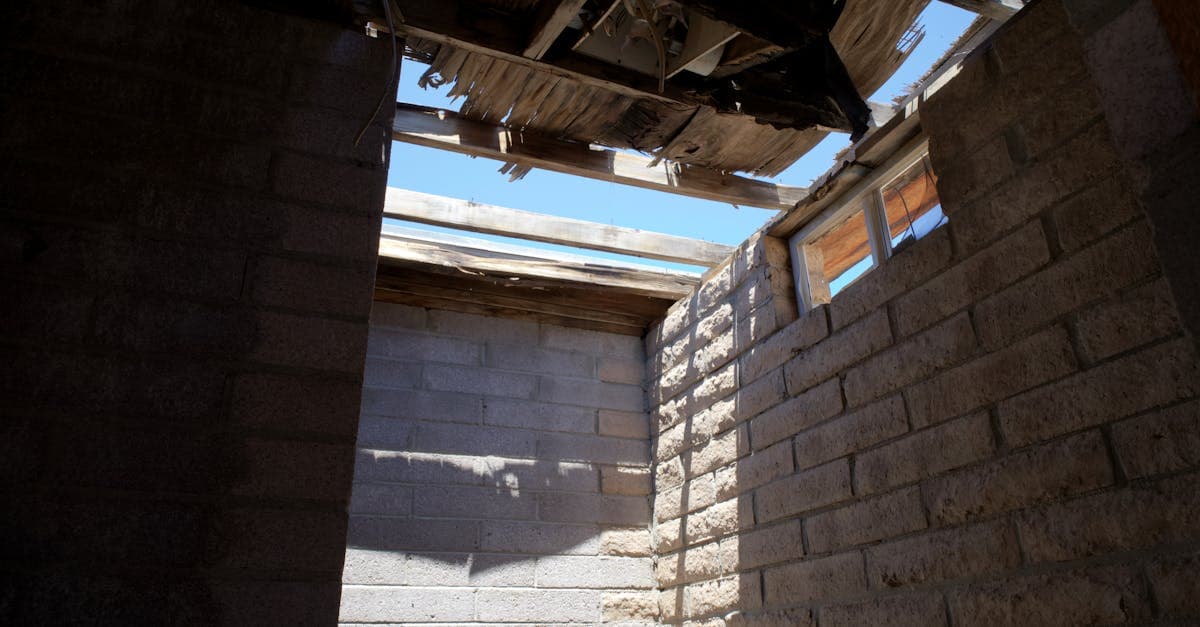
Can you answer these questions about your roof and your insurance coverage? What covered perils trigger roof leak coverage on your policy? Does your policy pay replacement cost or actual cash value for roof damage? How old is your roof, and how does its age affect your coverage? Do you have a standard deductible or a percentage-based wind and hail deductible? Have you had your roof professionally inspected in the last three years? Do you have documentation of your roof's condition before any damage occurred?
If you hesitated on any of those questions, you are in the same position as most homeowners — carrying roof coverage you do not fully understand on a roof whose condition you may not have documented. This knowledge gap becomes expensive when a leak occurs and you discover that your claim outcome depends on answers you never prepared.
The consequences of not understanding your roof coverage are significant. Homeowners who do not know about the maintenance exclusion are blindsided when their insurer denies a claim for a deteriorating roof. Homeowners who do not understand depreciation discover that their twenty-year-old roof receives a payout that covers a fraction of the repair cost. Homeowners who do not know about percentage-based deductibles learn that their out-of-pocket cost is thousands more than they expected.
And homeowners who have never documented their roof's condition cannot prove it was in good shape before the storm — giving their insurer the leverage to attribute damage to pre-existing wear rather than the covered event.
This guide answers every question a homeowner should be able to answer about roof leak coverage. By the end, you will understand what triggers coverage, what causes denials, how your roof's age and condition affect your payout, and what steps you should take right now to protect your claim before a leak ever occurs.
Replacement Cost vs Actual Cash Value for Roof Repairs
The smart move here is clear. How your insurer values roof damage determines whether you receive enough to fix it. The difference between replacement cost and actual cash value can be tens of thousands of dollars on a single claim.
Replacement cost coverage: Under replacement cost coverage, your insurer pays the full cost to repair or replace damaged roofing with materials of like kind and quality, without any deduction for age or wear. A $15,000 repair produces a $15,000 payout minus your deductible — enough to actually complete the work.
Actual cash value coverage: Under actual cash value, your insurer deducts depreciation based on your roof's age and remaining useful life. A fifteen-year-old asphalt shingle roof with a twenty-five-year expected lifespan might receive only forty percent of replacement cost, leaving you responsible for thousands of dollars out of pocket.
Age-triggered transitions: Many insurers automatically switch roof coverage from replacement cost to actual cash value when the roof reaches a specified age — commonly ten, fifteen, or twenty years. This transition often happens without explicit notification, surprising homeowners when they file a claim and receive a depreciated payout.
Recoverable depreciation process: Under replacement cost policies, your insurer may initially pay actual cash value and withhold the depreciation amount until you complete the repairs. Once you submit proof that repairs are finished, the insurer releases the remaining depreciation holdback.
Policy comparison importance: When shopping for homeowners insurance, compare roof coverage valuation methods carefully. A policy with a slightly higher premium but replacement cost roof coverage can save you thousands compared to a cheaper policy that pays only actual cash value on an aging roof.
Wind-Driven Rain: Coverage Rules for Water Pushed Through Your Roof
The smart move here is clear. Wind-driven rain is a common cause of roof leaks during storms, but coverage depends on how water entered. The critical question is whether rain entered through a storm-created opening or a pre-existing vulnerability.
Covered scenario: When wind removes shingles, lifts flashing, or cracks tiles and rain enters through the new storm-created opening, both the roof repair and resulting interior water damage are covered. The wind created the breach, making the water damage a direct consequence of a covered peril.
Excluded scenario: When rain enters through aging shingles, worn sealant around existing penetrations, or gaps that existed before the storm, coverage may be denied. The insurer classifies this as a maintenance issue because the opening predated the storm event.
The gray area: Many claims fall where both storm forces and pre-existing conditions contributed to the leak. Wind may have worsened an existing vulnerability that was not yet causing problems. These gray-area disputes frequently require detailed documentation and potentially a public adjuster to resolve fairly.
Documentation strategies: Photograph your roof before storm season to establish its baseline condition. After storms, document visible damage before making temporary repairs. Note the date, time, and severity of the storm to help establish that the opening was storm-created.
State law variations: Some states apply anti-concurrent causation clauses that can deny entire claims when covered and excluded perils combine. Others use efficient proximate cause analysis that may favor coverage when a covered peril is the dominant cause of the damage.
Cosmetic vs Functional Roof Damage: The Coverage Distinction
Strategically, this matters because An increasingly common provision excludes cosmetic roof damage while covering only functional damage, and this distinction is the defensive gap left wide open when homeowners assume every roof leak earns an automatic insurance payout. Whether your policy contains this exclusion affects hail and impact claims significantly.
Defining cosmetic damage: Cosmetic roof damage includes dents, marks, scratches, and discoloration that affect the roof's appearance but do not impair its ability to prevent water entry. Hail that dents a metal roof without puncturing it, or debris that scuffs shingles without cracking them, may be classified as cosmetic damage under these provisions.
Defining functional damage: Functional damage impairs the roof's ability to keep water out. Cracked shingles, punctured membranes, broken tiles, and compromised flashing all constitute functional damage because they create or are likely to create pathways for water entry into your home.
The exclusion in practice: Policies with cosmetic damage exclusions will deny claims for roof dents and marks that do not affect waterproofing function. A hailstorm that dents every metal panel on your roof without creating actual leaks may receive zero coverage under a cosmetic exclusion. The financial impact can be enormous for expensive metal, tile, and slate roofing.
The inspection challenge: Determining whether hail damage to a shingle roof is cosmetic or functional often requires professional assessment. Hail can fracture the internal structure of shingles without immediately visible cracking, creating vulnerabilities that lead to leaks months later when exposed to rain.
Policy shopping considerations: Not all policies contain cosmetic damage exclusions, and accepting this exclusion can significantly reduce your premium. Before accepting one, evaluate your roof material and your area's hail risk to determine whether the premium savings justify the potential coverage reduction.
Flat Roof Leak Coverage: Special Considerations for Low-Slope Roofs
The smart move here is clear. Flat and low-slope roofs present unique leak challenges affecting insurance coverage. If your home has a flat section, understanding how insurers treat these claims prevents coverage surprises.
Flat roof vulnerabilities: Unlike pitched roofs that shed water naturally through gravity, flat roofs rely entirely on drainage systems and membrane integrity to prevent leaks. Ponding water, membrane punctures, seam failures, and flashing deterioration are the most common flat roof leak causes. Insurers view these vulnerabilities as requiring more active and regular maintenance than pitched roof systems.
Stricter maintenance expectations: Because flat roofs require regular drainage maintenance and membrane inspection, insurers apply the maintenance exclusion more aggressively to flat roof claims. A membrane that fails because debris blocked a drain may be denied as a maintenance issue, while similar water entry through a storm-damaged pitched roof would be covered without question.
Ponding water disputes: Water that pools on a flat roof for extended periods eventually compromises the membrane integrity. Insurers routinely classify ponding-related leaks as maintenance failures because proper drainage management would have prevented the pooling. Ensuring your flat roof drains properly and documenting drainage maintenance defeats this common defense.
Membrane replacement costs: Flat roof membranes — EPDM, TPO, PVC, and modified bitumen — have specific lifespans and replacement costs that differ from pitched roofing. Insurance adjusters may depreciate flat roof membranes more aggressively than pitched roof materials because of their generally shorter expected lifespan, resulting in lower payouts on older installations.
Storm damage to flat roofs: Wind can lift flat roof membranes, hail can puncture them, and falling debris can tear through them. These storm-caused damages are covered the same as pitched roof storm damage, but proving the damage was caused by the specific storm rather than the membrane's age or condition makes documentation particularly important for flat roof owners.
Ice Dam Roof Leaks: Winter Coverage for Northern Homeowners
Strategically, this matters because Ice dams are a leading cause of winter roof leaks, and understanding coverage is training your coverage lineup to defend against every type of roof leak so no claim catches your policy out of position. An ice dam forms when escaping heat melts snow on the upper roof, and meltwater refreezes at the edge, forcing water under shingles into your home.
Coverage for ice dam damage: The weight of ice and snow is a covered peril under standard homeowners policies. When an ice dam forces water inside your home, damaging ceilings, walls, insulation, and personal belongings, your homeowners insurance covers the resulting damage including remediation costs.
Roof repair coverage: If the ice dam physically damages roofing materials — cracking shingles, displacing flashing, or breaking the roof membrane — the roof repair is also covered as damage from the weight of ice and snow. However, if water entered without physically damaging roofing materials, some insurers may cover only the interior damage.
The ventilation complication: Because ice dams often result from inadequate attic ventilation or insulation that allows heat to escape, insurers sometimes argue the damage is a maintenance or design issue. This argument has limited success in states recognizing ice dam damage as a covered peril, but maintaining proper ventilation remains important for both prevention and claim defense.
Prevention reduces claims: Installing proper attic insulation and ventilation, using ice and water shield membrane along roof edges, and removing snow from edges after heavy snowfall all reduce ice dam risk. Many insurers offer premium discounts for homes with documented prevention measures in place.
Repeated claims risk: Filing multiple ice dam claims within a few years can trigger non-renewal or premium surcharges. If your home is prone to ice dams, investing in prevention is more cost-effective than relying on repeated insurance claims that damage your claims history.
Covered Perils That Cause Roof Leaks
Strategically, this matters because Your homeowners insurance responds to roof leaks caused by specific covered perils, and understanding which events qualify is the goalkeeper blocking every shot that weather and aging aim at your roof and the finances it protects underneath. The most common covered perils leading to roof leaks include wind, hail, fallen trees, lightning, fire, and the weight of ice and snow.
Wind damage: Wind can lift, crack, or remove roofing materials, creating openings where water enters. Policies cover the roof repair and resulting interior water damage when wind is the documented cause. Even moderate windstorms can compromise roofing, especially on aging installations where shingles have lost adhesion over time.
Hail damage: Hail cracks asphalt shingles, dents metal roofing, and breaks tile. Even without immediate leaking, hail compromises roof integrity and is covered when documented promptly after the storm. Hail damage often leads to leaks weeks or months after the initial impact as compromised materials deteriorate.
Fallen trees: When a tree strikes your roof and causes a leak, dwelling coverage pays for structural repair and interior damage. Your policy also covers tree removal from the roof up to policy limits. This coverage applies whether the tree was on your property or your neighbor's.
Weight of ice and snow: Heavy snow and ice buildup can cause structural failure or push water under roofing materials. This is a named peril covered by standard homeowners policies, particularly important for homeowners in northern climates.
Lightning strikes: Lightning can crack roofing materials, ignite fires, and create punctures leading to leaks. All resulting damage is covered under standard homeowners insurance, including secondary fire and water damage from firefighting efforts.
The Strategic Approach to Roof Leak Insurance
The most important lesson from this guide is that roof leak claim outcomes are determined long before the leak occurs. Strategic homeowners prepare for roof leak claims through ongoing maintenance, documentation, and policy management that put them in the strongest possible position when they need to file.
Start with your policy. Verify replacement cost coverage for your roof. Understand your deductible structure. Check for cosmetic damage exclusions. Consider endorsements like ordinance or law coverage and extended replacement cost that enhance your protection. These policy decisions set the ceiling for what you can recover from any roof claim.
Invest in documentation. Annual photographs, professional inspections every two to three years, and receipts for all maintenance and repairs create the evidence trail that defeats maintenance exclusion arguments. This documentation costs relatively little and can be worth thousands during a disputed claim.
Maintain your roof proactively. Address identified issues promptly. Keep gutters clean. Replace worn shingles and reseal flashing before they fail. Proactive maintenance prevents many leaks entirely and ensures that when a covered event does cause a leak, your insurer cannot attribute the damage to your neglect.
Plan your replacement timing strategically. As your roof approaches the age threshold where your insurer switches from replacement cost to actual cash value, evaluate whether proactive replacement makes financial sense. A new roof resets the coverage clock, reduces your premium, and eliminates the depreciation that would reduce any future claim payout.
The homeowner who approaches roof coverage strategically — maintaining the roof, documenting its condition, understanding their policy, and timing decisions deliberately — consistently achieves better claim outcomes than the homeowner who pays premiums passively and hopes for the best when a leak appears.
Continue reading

How Deductible Choices Affect Your Insurance Quote Comparison
Changing your deductible dramatically changes your premium — but it also changes your out-of-pocket risk. Understanding this tradeoff across multiple quotes reveals which deductible level offers the best balance.

The Post-Claim Policy Checkup: What to Review After Filing a Claim
After filing an insurance claim, review your coverage to ensure your limits are still adequate, your deductible still makes sense, and any coverage gaps revealed by the claim are addressed.

Assignment of Benefits and Roof Repair Claims After a Storm
Storm chasers and roofing contractors often present AOBs to homeowners after hurricanes and hail storms. Understanding the risks of signing helps you protect your claim and your roof.