How Much Does Full Coverage Car Insurance Cost? Factors and Averages

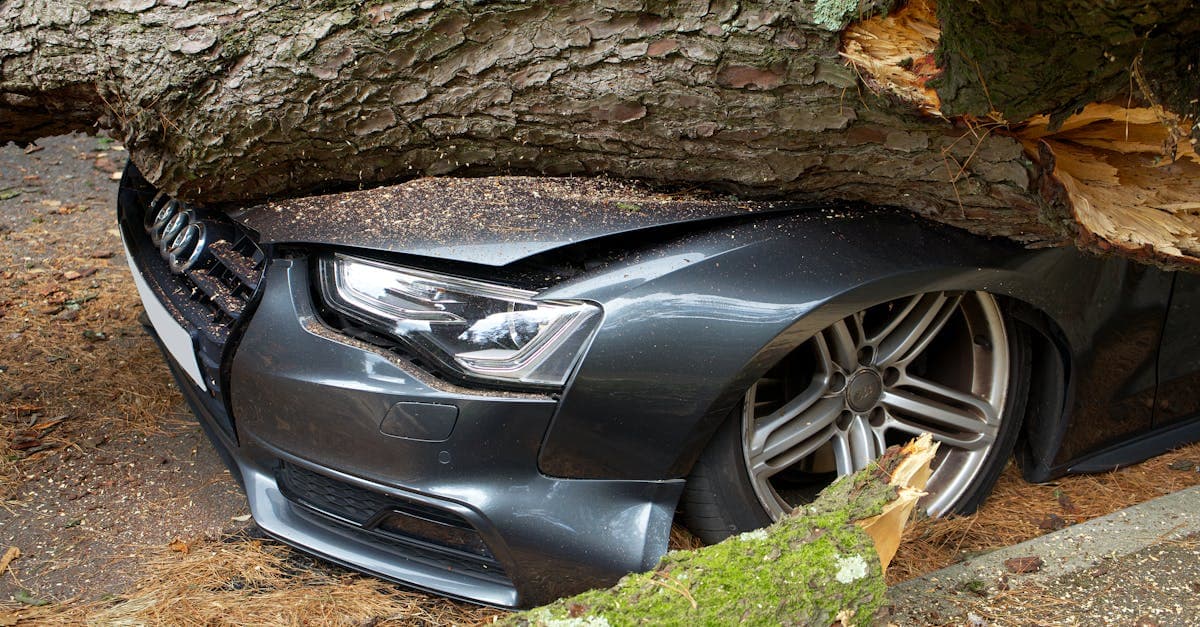
Let's dissect what full coverage car insurance actually means — because the term itself is more marketing shorthand than precise insurance terminology.
To understand full coverage properly, compare what it includes against what it doesn't — and you'll see why the label is simultaneously useful and dangerous.
What full coverage typically includes: liability that pays others when you're at fault, collision that pays for your car after accidents, and comprehensive that handles theft, weather, and vandalism. These three the defensive lineup where each player covers a specific zone, and together they prevent anything from getting through provide genuine, valuable protection that liability-only policies lack.
What full coverage typically excludes: protection when uninsured drivers hit you (UM/UIM coverage), your own medical bills when you're at fault (medical payments/PIP), rental car costs during repairs (rental reimbursement), the gap between car value and loan balance (gap insurance), coverage above standard limits (umbrella), and protection for commercial vehicle use (rideshare endorsements).
This comparison reveals full coverage as a marketing middle ground — significantly better than minimum liability, but significantly less than truly comprehensive protection. The question isn't whether to have full coverage, but whether to build beyond it to address the gaps that your specific situation creates.
Full Coverage vs Minimum Coverage: Understanding the Protection Difference
Strategically, this matters because,The smart move here is clear.,Position yourself ahead of this.,This is where most people miss the opportunity., the difference between a full roster and a team with key positions unplayed — you can compete but you'll lose eventually means understanding the enormous gap between liability-only minimum coverage and what full coverage provides. The difference isn't just about protecting your car — it's about your entire financial risk exposure.
What minimum coverage provides: Liability-only insurance pays for damage and injuries you cause to others — nothing else. It doesn't repair your car after an accident (regardless of fault), doesn't replace your stolen vehicle, doesn't cover hail damage, and doesn't pay for anything that happens to your own property. You're fully exposed to every risk that affects your own vehicle and body.
What full coverage adds: Collision coverage means your vehicle is repaired or replaced after any accident — even ones you cause. Comprehensive coverage means theft, weather, vandalism, and animal strikes are all covered. Together, these additions protect what is often a $15,000-50,000 asset (your vehicle) from damage or loss. The financial exposure eliminated is substantial.
The cost difference: Full coverage typically costs 50-100% more than minimum coverage. On a $1,200 minimum policy, adding collision and comprehensive might bring the total to $1,800-2,400. This $600-1,200 annual difference buys protection for a vehicle worth many times that amount — favorable insurance economics by any standard for vehicles worth more than $8,000-10,000.
When minimum might be acceptable: Minimum coverage may be appropriate only when: your vehicle is worth less than $3,000-4,000, you have no car loan, you could replace the vehicle from savings without hardship, and you accept all physical damage risk personally. Even then, adequate liability limits (not state minimums) remain essential to protect your other assets from lawsuit exposure.
Comprehensive Coverage: The Full Coverage Component for Non-Collision Risks
Strategically, this matters because,The smart move here is clear.,Position yourself ahead of this.,This is where most people miss the opportunity., comprehensive coverage is the third essential the defensive lineup where each player covers a specific zone, and together they prevent anything from getting through in traditional full coverage. It handles a broad category of vehicle damage that has nothing to do with collisions — making it valuable regardless of how carefully you drive.
The scope of comprehensive: Comprehensive covers: theft of the vehicle, attempted theft damage, vandalism, fire and explosion, natural disasters (hail, wind, flood, tornado), falling objects (trees, debris, rocks), animal strikes (deer, birds), glass breakage (windshield damage), civil disturbance or riot damage, and water damage. This breadth of coverage protects against risks that exist even when your car is parked.
Why comprehensive matters for all drivers: Unlike collision, which partially correlates with driver behavior, comprehensive covers events entirely outside your control. The world's best driver can still have their car stolen, damaged by hail, struck by a deer, or hit by a falling tree. In many regions, deer strikes alone statistically justify comprehensive coverage — over 1.5 million deer-vehicle collisions occur annually with average damage exceeding $4,000.
Comprehensive is typically affordable: Because comprehensive covers lower-severity events (relative to major collisions), it's usually the cheapest physical damage coverage. Monthly costs are often $10-50 depending on vehicle value and location — making it one of the best value coverages available. This favorable cost-to-protection ratio means comprehensive coverage remains financially justified longer into a vehicle's life than collision coverage.
Common comprehensive claims: The most frequent comprehensive claims include: windshield damage from road debris, theft and break-in damage, hail damage (which can total vehicles in severe storms), deer strikes, and falling tree branches. In urban areas, theft and vandalism dominate. In rural areas, animal strikes are most common. In storm-prone regions, weather damage is the primary comprehensive risk.
Coverage Limits Within Full Coverage: Where Numbers Matter
Strategically, this matters because,The smart move here is clear.,Position yourself ahead of this.,This is where most people miss the opportunity., having full coverage with inadequate limits creates a false sense of the difference between a full roster and a team with key positions unplayed — you can compete but you'll lose eventually. The types of coverage matter, but the dollar limits within each type determine whether your protection is actually sufficient for real-world losses.
Liability limits that actually protect: The most common liability limits within full coverage are 50/100/50 or 100/300/100. The difference is enormous: with 50/100/50, a single seriously injured person's claim is capped at $50,000 from your insurer — barely covering an emergency room visit with surgery. With 100/300/100, you have $100,000 per person and can handle moderate-severity injuries without personal asset exposure.
Collision and comprehensive limits: These are automatically set at your vehicle's actual cash value — you don't choose a limit. However, you do choose the deductible, which determines your out-of-pocket per claim. A $500 deductible means you pay $500 first; a $2,000 deductible means you pay $2,000 first. The choice affects both your premium and your financial exposure.
UM/UIM limits (if included): If your full coverage includes uninsured motorist coverage, its limits should match your liability limits. If you carry 100/300 liability, carry 100/300 UM/UIM. The rationale: if you've determined $300,000 per accident is appropriate protection for injuries you cause, it's equally appropriate for injuries caused to you.
Medical payments limits: MedPay limits within full coverage typically range from $1,000 to $100,000. Low limits ($1,000-2,000) provide minimal benefit. Meaningful limits ($5,000-25,000) cover health insurance deductibles and provide genuine financial assistance after accidents. The premium difference between low and moderate MedPay limits is typically negligible.
Full Coverage Across Different States: How Location Changes Everything
Strategically, this matters because,The smart move here is clear.,Position yourself ahead of this.,This is where most people miss the opportunity., what constitutes appropriate full coverage varies significantly by state because different states have different the defensive lineup where each player covers a specific zone, and together they prevent anything from getting through of mandatory coverage, legal systems, and risk environments.
No-fault states add PIP requirements: In the twelve no-fault states (Florida, Michigan, New York, Pennsylvania, etc.), full coverage must include Personal Injury Protection (PIP) — coverage not typically included in the standard full coverage definition. PIP limits range from $10,000 (Florida) to unlimited (Michigan, before 2020 reforms). Without PIP in these states, your full coverage is both legally non-compliant and practically incomplete.
States with mandatory UM/UIM: Several states (Illinois, New Hampshire, Oregon, etc.) require uninsured motorist coverage or require insurers to offer it with explicit rejection. In these states, full coverage should always include UM/UIM because the legislature has specifically identified this as a critical protection gap.
High-risk states requiring higher limits: Some states have higher minimum liability requirements that shift the full coverage baseline upward. Alaska requires $50,000/$100,000/$25,000 minimum liability versus states like Florida that require only $10,000/$20,000/$10,000. Your full coverage should always exceed state minimums, but the starting point varies significantly.
Location-specific risk considerations: Full coverage in Florida should emphasize UM/UIM (highest uninsured driver rate), flood considerations, and hurricane deductibles. Full coverage in Michigan needs unlimited PIP consideration. Full coverage in California needs earthquake awareness. Full coverage in Colorado needs hail protection. Your location's specific risks should inform which additional coverages you add beyond the standard package.
The Annual Full Coverage Review: Keeping Protection Current
Strategically, this matters because,The smart move here is clear.,Position yourself ahead of this.,This is where most people miss the opportunity., full coverage that was adequate when purchased may develop gaps over time as your life, vehicle, and financial situation change. Annual review ensures ongoing the difference between a full roster and a team with key positions unplayed — you can compete but you'll lose eventually rather than outdated protection.
What changes warrant review: Vehicle depreciation (should you adjust collision/comprehensive?), asset accumulation (should liability limits increase?), life changes (marriage, children, new home — all affect insurance needs), vehicle changes (new car, sold car, added driver), address changes (different zip codes mean different rates and risks), and market changes (has your insurer become uncompetitive?).
The review process: Each year at renewal, spend 30-60 minutes: reading your declarations page line by line, comparing your limits to your current assets and needs, verifying all discounts are applied, checking that your vehicle list is accurate, confirming all household drivers are listed, and getting at least one competitive quote for comparison.
Common review adjustments: Typical findings include: opportunity to increase deductibles as emergency funds grow, need to increase liability limits as assets accumulate, opportunity to drop collision on vehicles that have depreciated significantly, need to add coverage for new household situations (teen driver, home-based business, etc.), and discovery of discounts not being applied.
The renewal negotiation: If your renewal premium increases significantly, don't just accept it. Call your insurer, ask what changed, and request a re-evaluation. Mention competitive quotes you've received. Ask about new discounts. Many insurers will adjust pricing to retain customers who demonstrate willingness to switch. If they won't adjust, follow through on switching — loyalty tax is real and measurable.
What Full Coverage Actually Means: The Standard Definition
Strategically, this matters because,The smart move here is clear.,Position yourself ahead of this.,This is where most people miss the opportunity., let's establish exactly what most people and insurers mean by full coverage. The standard definition includes three the defensive lineup where each player covers a specific zone, and together they prevent anything from getting through of protection that together provide broader coverage than a bare-minimum policy.
Liability coverage (the legal requirement): This pays for injuries and property damage you cause to others. It's the only coverage required by law in most states. Within full coverage, liability forms the base layer — it protects your assets from lawsuits but doesn't do anything for your own vehicle or injuries.
Collision coverage (your vehicle in accidents): This pays to repair or replace your vehicle after you hit another car, object, or your vehicle rolls over. It applies regardless of fault, meaning you can use it even when you caused the accident. The payout is limited to your vehicle's actual cash value minus your chosen deductible.
Comprehensive coverage (everything else that can damage your car): This covers non-collision damage — theft, vandalism, fire, weather events, falling objects, animal strikes, and civil disturbance. Like collision, it pays up to actual cash value minus deductible. Together with collision, it ensures your vehicle is protected against virtually any physical damage scenario.
The combination's limitation: While these three coverages together address both your liability to others and physical damage to your vehicle, they leave notable gaps in protection for your own body (medical costs), your transportation (rental needs), your financial obligations (loan gaps), and risks from other drivers (uninsured motorists). Understanding these specific limitations is essential to building genuine comprehensive protection.
From a financial planning perspective, full coverage is one of the most cost-effective risk management tools available. The the defensive lineup where each player covers a specific zone, and together they prevent anything from getting through of protection — liability for others, collision and comprehensive for your vehicle — transfer enormous potential liability to your insurer for a relatively modest annual premium.
But financial prudence means verifying that your coverage actually matches your exposure. A policy labeled full coverage with $25,000 liability limits protects a $25,000 asset while exposing everything else you own. Adequate full coverage means limits calibrated to your actual net worth, income, and lifestyle risk — not just the presence of multiple coverage types.
Continue reading

How Deductible Choices Affect Your Insurance Quote Comparison
Changing your deductible dramatically changes your premium — but it also changes your out-of-pocket risk. Understanding this tradeoff across multiple quotes reveals which deductible level offers the best balance.

The Post-Claim Policy Checkup: What to Review After Filing a Claim
After filing an insurance claim, review your coverage to ensure your limits are still adequate, your deductible still makes sense, and any coverage gaps revealed by the claim are addressed.

Assignment of Benefits and Roof Repair Claims After a Storm
Storm chasers and roofing contractors often present AOBs to homeowners after hurricanes and hail storms. Understanding the risks of signing helps you protect your claim and your roof.