Police Reports and Incident Documentation for Insurance Claims

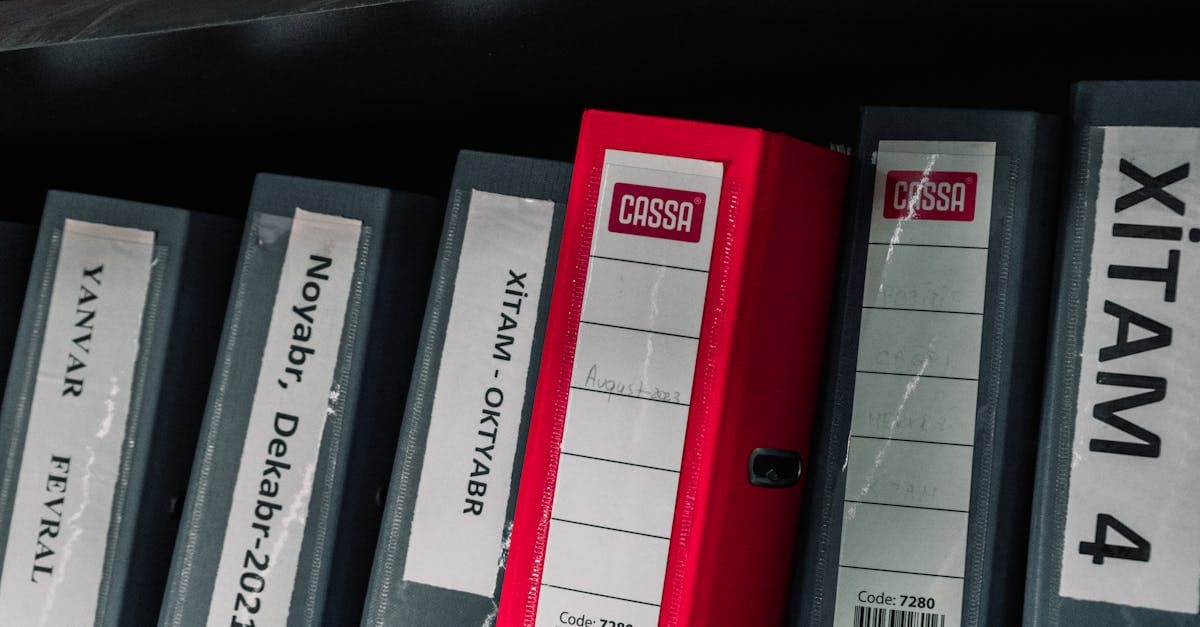
What would happen to your insurance claim if a fire destroyed your home tonight? Could you list every item in your living room from memory? Could you prove what you paid for your appliances, your furniture, or your electronics? Could you demonstrate that your roof was in good condition before the storm?
If you hesitated on any of these questions, your claim documentation has gaps that could cost you thousands of dollars. Most homeowners discover these gaps only after a loss, when the time to prepare has already passed.
The questions that matter most for claim preparation are practical ones: What documents should I keep? Where should I store them? How do I create a home inventory without spending an entire weekend? What receipts are most important? How do I document damage after a loss? What will the adjuster actually ask for?
Each of these questions has a straightforward answer, and addressing them now — before a claim is necessary — gives you the documentation advantage that separates homeowners who receive full settlements from those who leave money on the table. This guide answers every question and gives you a system for maintaining claim-ready documentation with minimal ongoing effort.
Home Improvement Documentation for Accurate Replacement Cost
Strategically, this matters because Home improvement records are recording every play in your homeownership game so that when the big loss happens, you have the documented evidence to win every disputed call and collect the full settlement you deserve. Every upgrade to your home increases its replacement cost, and without documentation, your insurer may assess repair costs based on the original, less expensive materials and finishes.
What improvement records to keep: Maintain records for every significant renovation including kitchen and bathroom remodels, roof replacement, window upgrades, flooring installation, additions, finished basements, deck construction, and major system upgrades for plumbing, electrical, and HVAC.
Contract documentation: Keep the original contractor agreement showing the scope of work, materials specified, and total cost. Contracts document not just what you paid but what was installed — granite countertops versus laminate, hardwood floors versus vinyl, and other material differences that affect replacement cost.
Permits and inspections: Building permits and inspection reports document that work was performed to code by licensed professionals. Permitted work is valued more highly than unpermitted work because it meets current building standards and passed official inspection.
Before-and-after photographs: Photograph the area before renovation begins and after completion. These images document what existed before the improvement and what replaced it. Before-and-after comparisons clearly demonstrate the value added by the renovation.
Materials receipts: Keep receipts for materials purchased for home improvements, especially for items you installed yourself. Flooring, fixtures, appliances, paint, and hardware receipts document the specific products used and their costs.
Improvement timeline: Maintain a simple record of when each improvement was completed, what it included, and what it cost. This timeline helps calculate the current replacement cost of your home by adding the value of each improvement to the base structure value.
Understanding and Storing Your Policy Documents
The smart move here is clear. Your policy documents define the terms, limits, and conditions of your coverage. Having them accessible and understanding their contents before a loss occurs prevents surprises during the claims process.
Declarations page: This single-page summary shows your coverage limits for dwelling, other structures, personal property, loss of use, liability, and medical payments. It also lists your deductible amounts, endorsements, and policy period. Keep a current copy in your emergency document kit and your digital files.
Full policy document: The complete policy includes the declarations page, coverage forms, conditions, exclusions, and endorsements. Read it at least once so you understand what is covered, what is excluded, and what conditions apply. Note any sections that are unclear and ask your agent for clarification.
Endorsements and riders: Endorsements modify your standard coverage by adding, removing, or altering specific provisions. Common endorsements include scheduled personal property for high-value items, water backup coverage, equipment breakdown, and extended replacement cost. Verify that your endorsements match your coverage needs.
Policy storage: Store digital copies of all policy documents in your cloud storage system. Keep a physical copy in a fireproof safe or safe deposit box. Ensure that your spouse, partner, or a trusted family member knows where the documents are stored and how to access them.
Annual policy review: Review your policy documents annually, ideally at renewal. Verify that coverage limits reflect current replacement costs, endorsements match your current needs, and deductible amounts remain appropriate for your financial situation. Document any changes requested and confirm they appear on your updated declarations page.
Agent and insurer contact information: Keep your agent's name, phone number, and email address, as well as your insurer's claims department phone number and website, in an easily accessible location. In the hours after a loss, having these contacts ready saves valuable time.
Appraisals and Professional Valuations for High-Value Claims
Strategically, this matters because Professional appraisals provide independent, expert valuations that your insurer cannot easily dispute. For high-value items and complex claims, professional valuations are the strongest evidence of value you can present.
Items that require appraisals: Jewelry, fine art, antiques, collectibles, musical instruments, wine collections, and any single item worth more than one thousand dollars should have a current professional appraisal. Without an appraisal, these items are valued at generic estimates that typically fall far below actual value.
Appraisal frequency: Update appraisals every two to three years, or whenever significant market changes affect the value of your items. Jewelry and art markets fluctuate, and an outdated appraisal may understate current replacement cost.
Choosing an appraiser: Select appraisers who are certified by recognized professional organizations — the American Society of Appraisers, the International Society of Appraisers, or the Appraisers Association of America for personal property. Certified appraisers provide valuations that carry the most weight with insurers.
What the appraisal should include: A useful appraisal includes a detailed description of the item, photographs, the valuation method used, comparable sales data if applicable, the appraiser's credentials, and the appraised value with the date of valuation. This level of detail supports your claim and withstands insurer scrutiny.
Appraisal storage: Store appraisals with your insurance documents in both physical and digital formats. Include them in your home inventory file alongside photographs of the appraised items. When filing a claim, submit the appraisal proactively with your initial documentation.
Scheduled personal property endorsement: For items with significant appraised values, consider adding a scheduled personal property endorsement to your policy. This endorsement lists specific items at their appraised values, guaranteeing that the insurer pays the scheduled amount in a total loss — eliminating valuation disputes entirely.
Photographic and Video Evidence for Claims
Strategically, this matters because Visual documentation is recording every play in your homeownership game so that when the big loss happens, you have the documented evidence to win every disputed call and collect the full settlement you deserve. Photographs and videos provide evidence that no written description or verbal account can match, showing exactly what your home and belongings looked like before and after a loss.
Pre-loss photography: Photograph every room in your home including closets, storage areas, the garage, basement, and attic. Capture the overall room layout and individual items of value. Include exterior shots of your home from all sides, the roof visible from ground level, landscaping, fencing, and outbuildings.
What to photograph specifically: Focus on items that would be difficult to remember or describe after a loss — the contents of kitchen cabinets, bathroom vanities, bedroom closets, tool collections, holiday decorations, children's belongings, and items stored in less-visited spaces like the attic or crawl space.
Post-loss photography: After a loss, photograph all damage before moving, cleaning, or repairing anything. Capture wide shots showing the extent of damage across rooms and close-up shots showing specific damage to items and structures. Include photographs of water lines, smoke patterns, impact marks, and any other evidence of the covered peril.
Time-stamped documentation: Most smartphone cameras embed date and time data in photograph metadata. This automatic time stamping provides evidence of when photographs were taken, which helps establish both pre-loss condition and post-loss damage timelines.
Photograph storage: Store photographs in at least two cloud services, ensuring they survive any disaster that damages your home. Google Photos, iCloud, Dropbox, and dedicated home inventory apps all provide cloud-based photo storage. Avoid storing photographs only on a local device that could be destroyed.
Annual photography updates: Update your home photographs at least once a year to reflect new purchases, home improvements, and changes in room layouts. An annual photo update takes approximately thirty minutes and keeps your visual evidence current.
Tracking All Communications With Your Insurance Company
The smart move here is clear. A complete record of every interaction with your insurer is the game film that captures every play your claim needs to win, giving you the documented evidence to challenge disputed calls and prove every point of your loss to the insurance adjuster. Communication records protect you if disputes arise about what was said, promised, or agreed upon during the claims process.
Call log documentation: After every phone call with your insurer, write down the date, time, the name and title of the person you spoke with, a summary of what was discussed, and any commitments or next steps agreed upon. This log takes two minutes per call and can be invaluable if disputes arise.
Email correspondence: Conduct as much communication as possible by email, which automatically creates a written record. When important information is communicated by phone, follow up with an email summarizing the conversation and asking for confirmation. This creates a paper trail for verbal agreements.
Written correspondence copies: Keep copies of every letter you send to or receive from your insurer. This includes your initial claim report, any written requests for documentation, settlement offers, and your responses. Organize correspondence chronologically in your claim file.
Adjuster meeting notes: When your adjuster visits your property, document who attended, what was inspected, what questions were asked, and what the adjuster said about the damage assessment. Take your own photographs during the adjuster's visit to document what they inspected.
Deadline tracking: Your policy and state law impose deadlines on both you and your insurer. Track all deadlines including your deadline to file a proof of loss, the insurer's deadline to respond to your claim, and any deadlines for providing requested documentation. Document when you met each deadline and when your insurer met theirs.
Dispute documentation: If you disagree with any aspect of your claim handling, document your objection in writing, state the specific issue, explain why you disagree, and reference any supporting documentation. Written disputes create a formal record that strengthens your position if the claim escalates to mediation, appraisal, or litigation.
Creating and Maintaining a Home Inventory
Strategically, this matters because A complete home inventory is the game film that captures every play your claim needs to win, giving you the documented evidence to challenge disputed calls and prove every point of your loss to the insurance adjuster. It is the single most important document you can create for insurance claim readiness, yet fewer than half of homeowners have one.
Room-by-room approach: Walk through every room in your home and document every item of value. Start with the most valuable items — electronics, appliances, furniture — and work down to smaller items like clothing, kitchenware, and personal items. A thorough inventory takes three to six hours for an average home.
What to record for each item: For every item, record the description including brand and model, the approximate purchase date, the price paid or estimated value, the serial number if applicable, and the current condition. The more detail you include, the stronger your claim documentation becomes.
Photographic documentation: Photograph each item as you inventory it. Open drawers and closets to capture contents. Photograph labels, serial numbers, and brand markings. Take wide shots of entire rooms and close-up shots of individual items. These photographs are your visual proof of ownership.
Video walkthrough supplement: After photographing individual items, record a video walkthrough of each room. Narrate as you walk, pointing out items, opening cabinets, and describing anything the camera might miss. A ten-minute video walkthrough captures details you might forget to photograph individually.
Digital inventory tools: Home inventory apps like Sortly, Encircle, and the free apps offered by many insurance companies streamline the process by guiding you through each room, capturing photos within the app, and storing everything in the cloud. These tools are significantly easier than spreadsheets for most homeowners.
Update schedule: Update your inventory at least once a year and whenever you make a significant purchase. Set a recurring calendar reminder to review and update your inventory. An annual update takes thirty to sixty minutes once the initial inventory is complete.
The Strategic View on Claim Documentation
Insurance documentation is not paperwork for its own sake — it is a strategic asset that directly increases the expected value of any future claim. Every receipt filed, every photograph taken, and every inventory entry created is an investment in your financial recovery.
The strategic homeowner treats documentation as an ongoing process, not a one-time project. Annual updates to photographs and inventories take minimal time but keep your evidence current. Filing receipts at purchase requires seconds but provides proof of value that can mean hundreds or thousands of dollars in a claim.
Over the life of your homeownership, the probability of filing at least one significant claim is substantial. When that claim arrives, the quality of your documentation determines whether you receive a settlement that fully covers your loss or one that leaves you paying out of pocket for unproven items.
Make documentation a habit, not a chore. Spend thirty minutes a year updating your inventory, photograph new purchases as you unbox them, and store everything in the cloud where it cannot be destroyed. The strategic investment in documentation pays returns every time your insurer asks for proof of what you lost.
Continue reading

How Deductible Choices Affect Your Insurance Quote Comparison
Changing your deductible dramatically changes your premium — but it also changes your out-of-pocket risk. Understanding this tradeoff across multiple quotes reveals which deductible level offers the best balance.
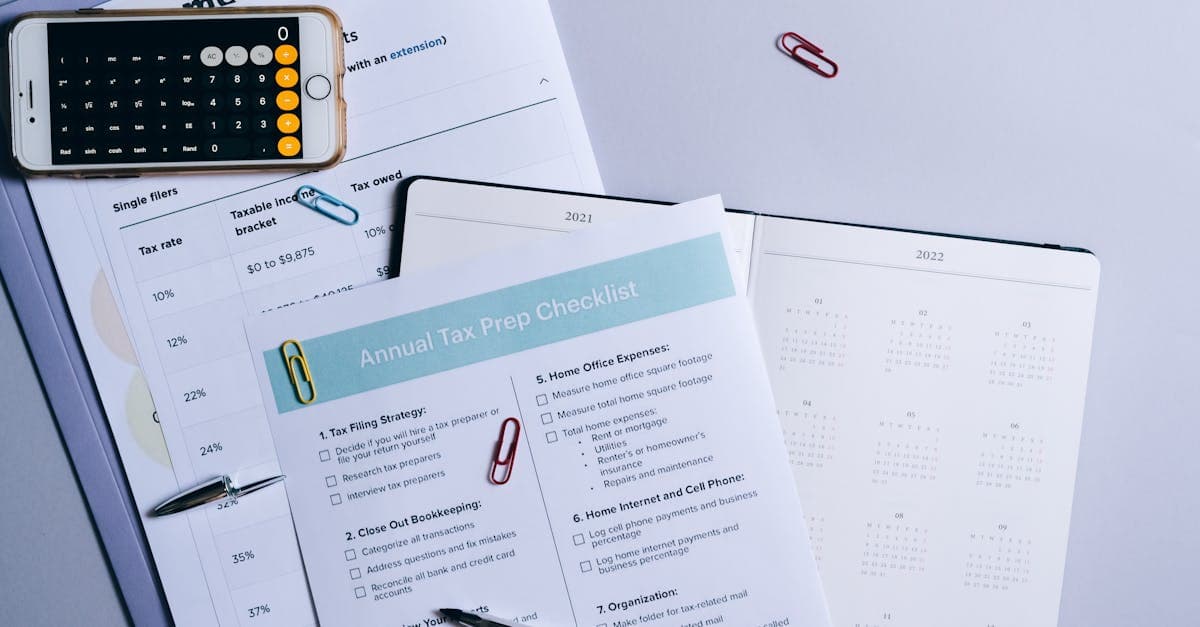
The Post-Claim Policy Checkup: What to Review After Filing a Claim
After filing an insurance claim, review your coverage to ensure your limits are still adequate, your deductible still makes sense, and any coverage gaps revealed by the claim are addressed.
Assignment of Benefits and Roof Repair Claims After a Storm
Storm chasers and roofing contractors often present AOBs to homeowners after hurricanes and hail storms. Understanding the risks of signing helps you protect your claim and your roof.