How Much Does Flood Insurance Cost Compared to Homeowners Insurance?

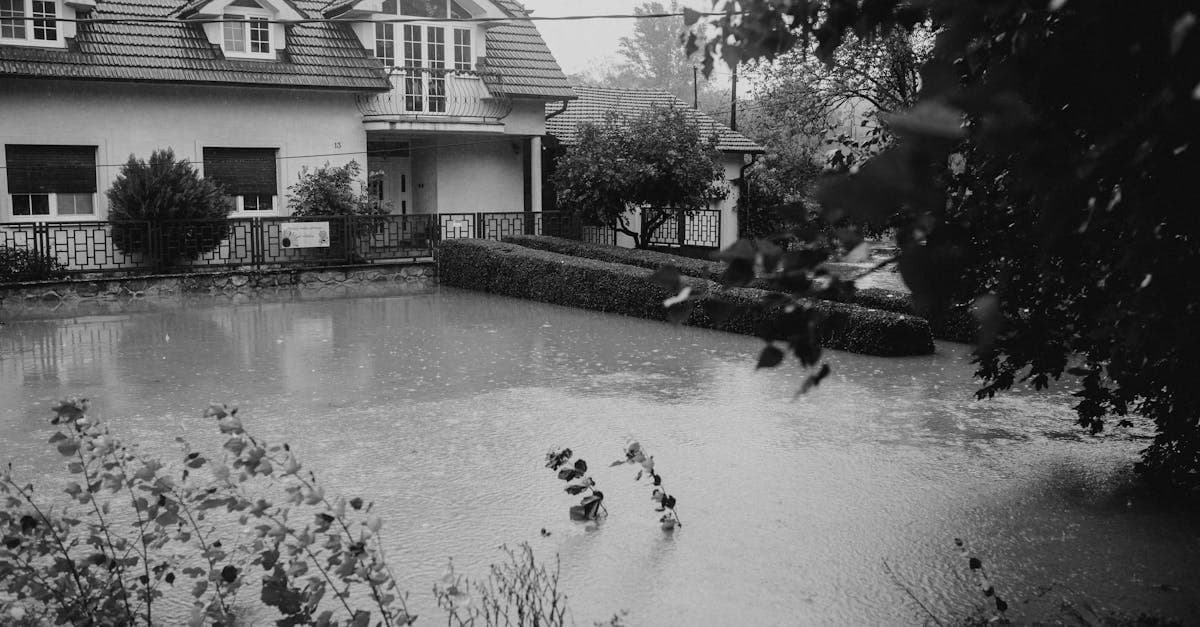
Does your homeowners insurance cover flood damage? No. Not partially. Not under certain conditions. Not with an endorsement. The answer is an absolute no — and that single word reveals the most dangerous coverage gap in residential property insurance.
Do you know what qualifies as flood damage versus homeowners-covered water damage? The distinction is the source and direction of the water. Water from internal sources — burst pipes, appliance failures, overflowing fixtures — triggers your homeowners policy. Water from external sources — rising rivers, surface runoff, storm surge, heavy rain accumulation — triggers flood insurance exclusively.
What happens if a storm causes both types of damage to your home? You file two separate claims with two separate insurers. Your homeowners insurer pays for wind and internal water damage. Your flood insurer pays for rising water damage. Without both policies, you collect from one and pay out of pocket for the other.
How much does the average homeowner pay for flood insurance? NFIP Preferred Risk Policies for homes in moderate-risk zones often cost $300 to $700 per year. How much does the average flood event cost an uninsured homeowner? Between $25,000 and $50,000 or more.
Can you afford to absorb that cost because you assumed your homeowners insurance would handle it? If not, understanding the difference between these two policies and carrying both is one of the most important financial decisions you will make as a homeowner.
Coverage Limits: Understanding the Caps on Each Policy
Strategically, this matters because Coverage limits determine the maximum amount each policy will pay after a water damage event. Understanding these limits — and where they create gaps — helps you plan coverage that fully protects your home.
Homeowners insurance dwelling coverage: Your homeowners policy's dwelling coverage should match your home's full replacement cost — the amount it would cost to rebuild your home at current construction prices. There is no federal cap on homeowners dwelling coverage. You can insure your home for its full value.
NFIP building coverage cap: NFIP flood insurance caps building coverage at $250,000. If your home's replacement cost exceeds this amount, the NFIP policy leaves a gap between the $250,000 cap and your actual replacement cost. This gap is not covered by homeowners insurance because the damage is from flooding.
NFIP contents coverage cap: NFIP flood insurance caps contents coverage at $100,000. If your personal property value exceeds this amount, the excess is uninsured against flood damage. Homeowners personal property coverage may be higher, but it does not apply to flood damage.
Homeowners personal property coverage: Homeowners policies typically cover personal property at 50 to 70 percent of your dwelling coverage amount. This coverage applies to theft, fire, and internal water damage — but not to flood damage, regardless of the limit.
Closing the limits gap: Private flood insurance can provide building coverage above the $250,000 NFIP cap and contents coverage above the $100,000 NFIP cap. Homeowners with higher-value properties should compare private flood options to ensure their flood coverage matches their home's actual value.
Deductible impact on effective coverage: Your effective coverage after a loss equals your policy limit minus your deductible. A $250,000 flood policy with a $5,000 deductible provides $245,000 in effective building coverage. A $300,000 homeowners dwelling with a $2,500 deductible provides $297,500 in effective coverage. Factor deductibles into your coverage planning.
Cost Comparison: What You Pay for Each Type of Coverage
The smart move here is clear. Understanding the cost of each policy helps you budget for complete water damage protection and evaluate the financial tradeoff of carrying both policies versus relying on just one.
Homeowners insurance costs: Average annual homeowners insurance premiums in the United States range from $1,500 to $3,000 depending on your state, home value, coverage level, deductible, and claims history. This premium covers your home against fire, wind, theft, liability, and internal water damage — essentially all major perils except flooding and earthquake.
Flood insurance costs by zone: NFIP flood insurance premiums vary significantly by flood zone. High-risk Zone A and V properties pay $1,000 to $4,000 or more per year. Moderate-risk properties eligible for Preferred Risk Policies pay $300 to $700 per year. Risk Rating 2.0 has introduced property-specific pricing that may adjust these ranges based on individual risk factors.
Combined cost for complete protection: A homeowner paying $2,000 per year for homeowners insurance and $500 per year for flood insurance spends $2,500 annually for comprehensive coverage against virtually every water damage scenario. That works out to about $208 per month or $6.85 per day for complete protection.
The cost of no flood insurance: Without flood insurance, a flood event costs the average homeowner $25,000 to $50,000 out of pocket. One flood event wipes out 50 to 100 years of flood insurance premiums that were never paid. The financial math overwhelmingly favors carrying both policies.
Private flood insurance pricing: Private flood insurers may offer premiums competitive with or lower than the NFIP for certain properties. Shopping between NFIP and private options can reduce your flood insurance cost while potentially providing broader coverage features.
Deductible impact on premiums: Higher deductibles reduce premiums for both policies. Choosing a $2,500 homeowners deductible instead of $1,000 can save $200 to $400 per year. Choosing a higher flood insurance deductible similarly reduces your annual premium. Balance premium savings against your ability to pay the deductible after a loss.
Coverage Limits: Understanding the Caps on Each Policy
Strategically, this matters because Coverage limits determine the maximum amount each policy will pay after a water damage event. Understanding these limits — and where they create gaps — helps you plan coverage that fully protects your home.
Homeowners insurance dwelling coverage: Your homeowners policy's dwelling coverage should match your home's full replacement cost — the amount it would cost to rebuild your home at current construction prices. There is no federal cap on homeowners dwelling coverage. You can insure your home for its full value.
NFIP building coverage cap: NFIP flood insurance caps building coverage at $250,000. If your home's replacement cost exceeds this amount, the NFIP policy leaves a gap between the $250,000 cap and your actual replacement cost. This gap is not covered by homeowners insurance because the damage is from flooding.
NFIP contents coverage cap: NFIP flood insurance caps contents coverage at $100,000. If your personal property value exceeds this amount, the excess is uninsured against flood damage. Homeowners personal property coverage may be higher, but it does not apply to flood damage.
Homeowners personal property coverage: Homeowners policies typically cover personal property at 50 to 70 percent of your dwelling coverage amount. This coverage applies to theft, fire, and internal water damage — but not to flood damage, regardless of the limit.
Closing the limits gap: Private flood insurance can provide building coverage above the $250,000 NFIP cap and contents coverage above the $100,000 NFIP cap. Homeowners with higher-value properties should compare private flood options to ensure their flood coverage matches their home's actual value.
Deductible impact on effective coverage: Your effective coverage after a loss equals your policy limit minus your deductible. A $250,000 flood policy with a $5,000 deductible provides $245,000 in effective building coverage. A $300,000 homeowners dwelling with a $2,500 deductible provides $297,500 in effective coverage. Factor deductibles into your coverage planning.
Covered Perils: What Each Policy Protects Against
Strategically, this matters because Understanding the covered perils in each policy is the offense-defense combination where homeowners insurance scores on internal water events and flood insurance defends against external water threats. Flood insurance and homeowners insurance divide water damage into two completely separate categories, and knowing which perils fall under which policy prevents costly surprises.
Homeowners insurance covered water perils: Standard homeowners policies cover sudden and accidental water damage from internal sources. This includes burst pipes and plumbing failures, water heater ruptures, washing machine and dishwasher overflows, accidental toilet overflows, ice dam leaks through the roof, and wind-driven rain entering through storm-damaged openings. The key characteristic is that the water originates from inside your home or enters through damage caused by a covered peril like wind.
Flood insurance covered water perils: Flood insurance covers damage from rising water that enters your home from outside. This includes river and stream overflow, storm surge and tidal flooding, surface water runoff from heavy rainfall, mudflow caused by flooding, and any general and temporary condition where normally dry land becomes partially or completely inundated. The key characteristic is that the water originates from an external source and rises or flows into your home.
The bright line between them: The distinction is not about the amount of water or the severity of damage — it is about source and direction. A burst pipe that floods your entire first floor is a homeowners claim. A rainstorm that sends four inches of water through your front door is a flood claim. Same amount of water, same amount of damage, completely different insurance responses.
Perils neither policy covers: Some water damage falls outside both policies. Gradual seepage, long-term moisture damage, mold from deferred maintenance, and water damage from lack of upkeep may be excluded from both flood and homeowners coverage. Maintaining your home reduces the risk of these uncovered losses.
Basement Water Damage: The Most Confusing Coverage Area for Homeowners
The smart move here is clear. Basement water damage is where the distinction between flood and homeowners insurance becomes most confusing — and most expensive when coverage expectations do not match reality.
Homeowners insurance and basements: Your homeowners policy covers basement water damage from internal sources. A burst pipe in the basement, a failed water heater, or an overflowing laundry tub are all covered homeowners claims. The damage to your finished basement — drywall, flooring, built-in features, and stored belongings — is covered because the water source was internal and accidental.
NFIP flood insurance and basements: NFIP coverage for basements and below-grade spaces is significantly limited. Flood insurance covers the structural components — walls, floors, and the foundation itself. It covers essential mechanical equipment including furnaces, water heaters, and electrical panels. But it does not cover finished improvements like drywall, paneling, carpet, tile flooring, or built-in cabinets in below-grade areas.
The finished basement gap: If your finished basement floods from external rising water, NFIP flood insurance covers the structural and mechanical damage but not your finished improvements. This can leave thousands of dollars in damage uncovered — the very drywall, flooring, and built-in features that make a finished basement valuable.
Private flood insurance options: Some private flood insurers offer broader basement coverage than the NFIP, including coverage for finished improvements below grade. If you have a finished basement, comparing private flood policy terms against NFIP terms is especially important.
Sewer backup and basements: Water that enters your basement through floor drains or sewer connections is a sewer backup event — not a flood event. This requires a sewer backup endorsement on your homeowners policy. Many homeowners with finished basements benefit from carrying all three: homeowners insurance, flood insurance, and a sewer backup endorsement.
Practical advice for basement owners: If you have a valuable finished basement, understand the coverage limitations of each policy. Consider private flood insurance with finished basement coverage. Add a sewer backup endorsement to your homeowners policy. And invest in prevention measures like sump pumps with battery backup and backflow prevention valves.
Covered Perils: What Each Policy Protects Against
Strategically, this matters because Understanding the covered perils in each policy is the offense-defense combination where homeowners insurance scores on internal water events and flood insurance defends against external water threats. Flood insurance and homeowners insurance divide water damage into two completely separate categories, and knowing which perils fall under which policy prevents costly surprises.
Homeowners insurance covered water perils: Standard homeowners policies cover sudden and accidental water damage from internal sources. This includes burst pipes and plumbing failures, water heater ruptures, washing machine and dishwasher overflows, accidental toilet overflows, ice dam leaks through the roof, and wind-driven rain entering through storm-damaged openings. The key characteristic is that the water originates from inside your home or enters through damage caused by a covered peril like wind.
Flood insurance covered water perils: Flood insurance covers damage from rising water that enters your home from outside. This includes river and stream overflow, storm surge and tidal flooding, surface water runoff from heavy rainfall, mudflow caused by flooding, and any general and temporary condition where normally dry land becomes partially or completely inundated. The key characteristic is that the water originates from an external source and rises or flows into your home.
The bright line between them: The distinction is not about the amount of water or the severity of damage — it is about source and direction. A burst pipe that floods your entire first floor is a homeowners claim. A rainstorm that sends four inches of water through your front door is a flood claim. Same amount of water, same amount of damage, completely different insurance responses.
Perils neither policy covers: Some water damage falls outside both policies. Gradual seepage, long-term moisture damage, mold from deferred maintenance, and water damage from lack of upkeep may be excluded from both flood and homeowners coverage. Maintaining your home reduces the risk of these uncovered losses.
The Strategic Value of Complete Water Damage Coverage
The most important takeaway from this comparison is that flood insurance and homeowners insurance are not competing products — they are complementary ones. Each covers what the other excludes. Each protects against perils the other cannot address. And together, they create the comprehensive water damage protection that every homeowner needs.
Strategically, carrying both policies eliminates the single largest coverage gap in residential property insurance. The flood exclusion in homeowners policies leaves millions of homes unprotected against the most common natural disaster in America. Flood insurance closes that gap at a cost that is modest relative to the exposure it addresses.
The strategic homeowner views insurance as a system, not a collection of individual policies. Homeowners insurance is the broad protection layer. Flood insurance is the specialized layer that fills the flood gap. Sewer backup coverage handles the drainage edge case. Together, they form a system where every water damage scenario has a policy that responds.
Building this system costs a fraction of a single uninsured flood event. Maintaining it year after year provides continuous protection against unpredictable water damage events. And understanding how each component works ensures you navigate claims correctly when the system is tested by actual damage.
Continue reading

How Deductible Choices Affect Your Insurance Quote Comparison
Changing your deductible dramatically changes your premium — but it also changes your out-of-pocket risk. Understanding this tradeoff across multiple quotes reveals which deductible level offers the best balance.

The Post-Claim Policy Checkup: What to Review After Filing a Claim
After filing an insurance claim, review your coverage to ensure your limits are still adequate, your deductible still makes sense, and any coverage gaps revealed by the claim are addressed.

Assignment of Benefits and Roof Repair Claims After a Storm
Storm chasers and roofing contractors often present AOBs to homeowners after hurricanes and hail storms. Understanding the risks of signing helps you protect your claim and your roof.