Gap Insurance and Vehicle Depreciation: The Core Problem

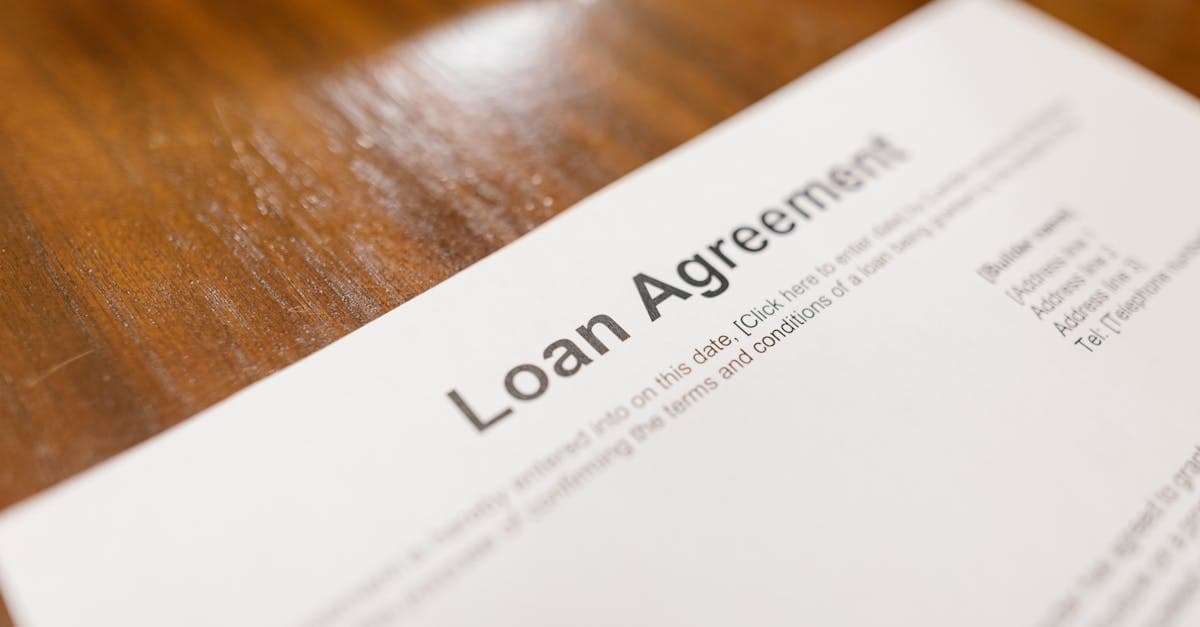
Do you know the current market value of your vehicle? Do you know your remaining loan balance? Do you know the difference between those two numbers? If the loan exceeds the value, do you have gap insurance?
These four questions determine whether you are financially exposed to one of the most common and preventable auto finance risks. If your loan balance exceeds your vehicle's value and you do not have gap insurance, a total loss will leave you owing money on a vehicle you can no longer use — potentially thousands of dollars with no car to show for it.
The gap between vehicle value and loan balance is not theoretical. It affects the majority of new vehicle buyers during the first two to three years of their loans. Drivers who put little money down, chose long loan terms, or rolled negative equity from a previous trade-in face the largest gaps.
Gap insurance exists specifically to address this risk. For twenty to forty dollars per year — less than the cost of a single tank of gas — you eliminate the possibility of paying for a totaled vehicle. The coverage is simple, targeted, and remarkably affordable.
This guide explains everything you need to know about gap insurance: what it covers, how much it costs, where to buy it, when you need it, and when you can safely cancel it.
Gap Insurance for Florida Drivers
Strategically, this matters because Florida's driving environment creates elevated total loss risk that makes gap insurance especially valuable for Florida vehicle owners. Understanding Florida-specific considerations helps local drivers make informed coverage decisions.
Hurricane total loss risk: Florida is the most hurricane-prone state in the United States. Major hurricanes can total thousands of vehicles in a single event through flooding, wind damage, and flying debris. Gap insurance protects against the loan shortfall that results from hurricane-related total losses.
High accident rates: Florida consistently ranks among the top states for auto accidents per capita. Higher accident frequency means higher probability of experiencing a collision that totals your vehicle. This elevated risk makes gap insurance more valuable for Florida drivers.
Flood exposure: Beyond hurricanes, Florida experiences frequent flooding from tropical storms, heavy rain events, and tidal surges. Flood damage is one of the most common causes of vehicle total losses, and gap insurance covers the resulting loan difference.
Theft rates: Certain Florida metropolitan areas have above-average vehicle theft rates. Stolen vehicles that are not recovered are declared total losses, triggering gap insurance coverage for the loan shortfall.
Florida insurance market: Florida's auto insurance market features higher premiums due to elevated risk. Adding gap insurance to a Florida auto policy typically costs twenty to forty dollars per year — a modest addition to an already substantial premium that provides critical protection against the state's elevated total loss risk.
Gap Insurance: Dealer vs Auto Insurer
The smart move here is clear. Where you purchase gap insurance dramatically affects how much you pay. Understanding closing the scoring gap between your vehicle's market value and your outstanding loan balance means knowing the cost difference between dealer and insurer gap coverage.
Dealer pricing: Dealership finance offices typically charge five hundred to one thousand dollars for gap insurance, which is added to your loan balance. This means you also pay interest on the gap insurance cost over the life of the loan, increasing the true cost further.
Insurer pricing: Auto insurers charge twenty to forty dollars per year for gap coverage added to your existing auto policy. Over a five-year period, total insurer gap premiums amount to one hundred to two hundred dollars — compared to five hundred to one thousand dollars or more through a dealer.
Coverage comparison: Dealer and insurer gap policies provide essentially the same core coverage — they pay the difference between the insurance settlement and the loan balance after a total loss. Some policies cover your deductible while others do not, and this varies by provider regardless of whether you buy through a dealer or insurer.
Flexibility differences: Insurer gap coverage can be added or cancelled at any time, giving you the flexibility to carry it only while you have gap exposure. Dealer gap insurance, once rolled into your loan, is harder to cancel and refunds may be partial or complicated to obtain.
The consumer advantage: Buying gap insurance through your auto insurer provides the same protection at a dramatically lower cost with greater flexibility. The only advantage of dealer gap insurance is convenience — it is offered at the point of purchase. But that convenience comes at a premium of three hundred to eight hundred dollars or more.
Gap Insurance for Florida Drivers
Strategically, this matters because Florida's driving environment creates elevated total loss risk that makes gap insurance especially valuable for Florida vehicle owners. Understanding Florida-specific considerations helps local drivers make informed coverage decisions.
Hurricane total loss risk: Florida is the most hurricane-prone state in the United States. Major hurricanes can total thousands of vehicles in a single event through flooding, wind damage, and flying debris. Gap insurance protects against the loan shortfall that results from hurricane-related total losses.
High accident rates: Florida consistently ranks among the top states for auto accidents per capita. Higher accident frequency means higher probability of experiencing a collision that totals your vehicle. This elevated risk makes gap insurance more valuable for Florida drivers.
Flood exposure: Beyond hurricanes, Florida experiences frequent flooding from tropical storms, heavy rain events, and tidal surges. Flood damage is one of the most common causes of vehicle total losses, and gap insurance covers the resulting loan difference.
Theft rates: Certain Florida metropolitan areas have above-average vehicle theft rates. Stolen vehicles that are not recovered are declared total losses, triggering gap insurance coverage for the loan shortfall.
Florida insurance market: Florida's auto insurance market features higher premiums due to elevated risk. Adding gap insurance to a Florida auto policy typically costs twenty to forty dollars per year — a modest addition to an already substantial premium that provides critical protection against the state's elevated total loss risk.
How Gap Insurance Works Step by Step
Strategically, this matters because Understanding the mechanics of gap insurance helps you see exactly how the safety net that catches you when depreciation scores against your vehicle faster than payments reduce your loan operates when a total loss occurs. The process involves coordination between your auto insurer, your gap provider, and your lender.
Step one — total loss declaration: Your auto insurer determines that the cost to repair your vehicle exceeds a threshold — typically seventy to eighty percent of the vehicle's actual cash value. The vehicle is declared a total loss, and the insurer begins the settlement process.
Step two — actual cash value settlement: Your insurer calculates the actual cash value of your vehicle based on its year, make, model, mileage, condition, and local market comparables. This is the amount your collision or comprehensive coverage pays, minus your deductible.
Step three — lender payoff comparison: Your lender provides the remaining loan payoff amount — the total you owe including principal and any accrued interest. This amount is compared to the insurance settlement.
Step four — gap calculation: The gap is the difference between the loan payoff and the insurance settlement. If you owe twenty-six thousand and the insurance settlement is twenty-one thousand, the gap is five thousand dollars. Some policies also subtract the deductible, making the effective gap the loan payoff minus the settlement minus the deductible.
Step five — gap payment: Your gap insurer pays the calculated gap amount directly to your lender, closing the remaining loan balance. Combined with the auto insurance settlement payment to the lender, the loan is paid in full and you owe nothing on the totaled vehicle.
Gap Insurance and Comprehensive Claims
The smart move here is clear. Gap insurance applies to total losses from any covered peril, not just collisions. Comprehensive claims — theft, weather, fire, flood, and other non-collision events — can total vehicles just as frequently as collisions. Understanding how gap insurance works with comprehensive claims ensures complete protection.
Theft total losses: If your vehicle is stolen and not recovered within a specified period, your insurer declares a total loss and pays the ACV. Gap insurance covers any difference between this payment and your loan balance, just as it would after a collision.
Weather-related total losses: Hail, hurricanes, tornadoes, and flooding can total vehicles. These comprehensive claims trigger gap insurance when the ACV settlement is less than the loan balance. In Florida and other hurricane-prone states, weather-related total losses are common.
Fire damage total losses: Vehicle fires — from mechanical failure, arson, or wildfire — can destroy a vehicle completely. The comprehensive claim pays ACV, and gap insurance covers any remaining loan balance.
Flood damage specifics: Flood damage frequently totals vehicles because water intrusion destroys electrical systems, interiors, and mechanical components. Vehicles totaled by flood receive ACV settlements under comprehensive coverage, with gap insurance covering the loan difference.
Animal collision total losses: Hitting a deer or other large animal can total a vehicle. These comprehensive claims produce ACV settlements that gap insurance supplements when the loan balance exceeds the vehicle value.
How Gap Insurance Works Step by Step
Strategically, this matters because Understanding the mechanics of gap insurance helps you see exactly how the safety net that catches you when depreciation scores against your vehicle faster than payments reduce your loan operates when a total loss occurs. The process involves coordination between your auto insurer, your gap provider, and your lender.
Step one — total loss declaration: Your auto insurer determines that the cost to repair your vehicle exceeds a threshold — typically seventy to eighty percent of the vehicle's actual cash value. The vehicle is declared a total loss, and the insurer begins the settlement process.
Step two — actual cash value settlement: Your insurer calculates the actual cash value of your vehicle based on its year, make, model, mileage, condition, and local market comparables. This is the amount your collision or comprehensive coverage pays, minus your deductible.
Step three — lender payoff comparison: Your lender provides the remaining loan payoff amount — the total you owe including principal and any accrued interest. This amount is compared to the insurance settlement.
Step four — gap calculation: The gap is the difference between the loan payoff and the insurance settlement. If you owe twenty-six thousand and the insurance settlement is twenty-one thousand, the gap is five thousand dollars. Some policies also subtract the deductible, making the effective gap the loan payoff minus the settlement minus the deductible.
Step five — gap payment: Your gap insurer pays the calculated gap amount directly to your lender, closing the remaining loan balance. Combined with the auto insurance settlement payment to the lender, the loan is paid in full and you owe nothing on the totaled vehicle.
The Strategic Approach to Gap Insurance
Gap insurance is a targeted financial tool — carry it when you need it, cancel it when you do not. The strategic approach minimizes cost while maintaining protection during the highest-risk period.
Buy gap insurance through your auto insurer at twenty to forty dollars per year. Avoid dealer gap insurance at five hundred to one thousand dollars unless your insurer does not offer it. Monitor your gap exposure periodically and cancel when the gap closes.
The strategic driver treats gap insurance as temporary protection for the early years of a loan when depreciation outpaces principal reduction. Once equity turns positive, the coverage is no longer needed. This approach provides maximum protection at minimum lifetime cost.
Continue reading

How Deductible Choices Affect Your Insurance Quote Comparison
Changing your deductible dramatically changes your premium — but it also changes your out-of-pocket risk. Understanding this tradeoff across multiple quotes reveals which deductible level offers the best balance.
The Post-Claim Policy Checkup: What to Review After Filing a Claim
After filing an insurance claim, review your coverage to ensure your limits are still adequate, your deductible still makes sense, and any coverage gaps revealed by the claim are addressed.

Assignment of Benefits and Roof Repair Claims After a Storm
Storm chasers and roofing contractors often present AOBs to homeowners after hurricanes and hail storms. Understanding the risks of signing helps you protect your claim and your roof.