Mold and Mildew After Flooding: What Your Flood Insurance Covers and What It Does Not

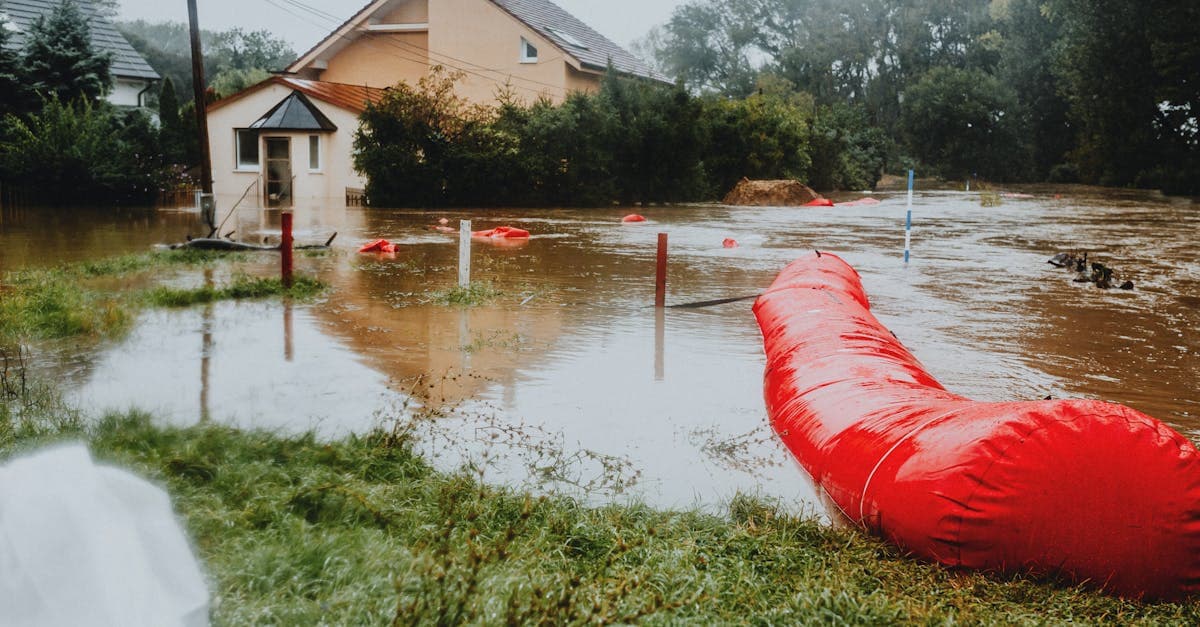
Do you know what your flood insurance will not pay for if your home floods tomorrow? Most policyholders cannot answer this question — and the answer matters because excluded items can add tens of thousands of dollars to your out-of-pocket costs after a flood.
Does your flood insurance cover the car in your garage when floodwater fills it to the door handles? No — vehicles are completely excluded from flood insurance.
Does your flood insurance cover your hotel room and restaurant meals while your home is being repaired for three months? No — NFIP policies do not cover additional living expenses or loss of use.
Does your flood insurance cover the finished drywall, carpet, and built-in cabinets in your basement after eighteen inches of floodwater fills it? No — NFIP severely limits coverage for below-grade areas, excluding most finished materials and personal belongings.
Does your flood insurance cover the $2,000 in cash you kept in your home office desk? No — currency is specifically excluded from flood insurance coverage.
Does your flood insurance cover your landscaping, fence, patio furniture, and outdoor kitchen after floodwater sweeps through your yard? No — property outside the insured building is excluded from standard flood coverage.
If any of these answers surprised you, this guide will help you understand every significant exclusion in your flood insurance policy and plan for the costs your policy will not cover.
Flood Prevention and Mitigation Cost Exclusions
The smart move here is clear. The costs of actively preventing or reducing flood damage to your home are not covered by flood insurance, even when those preventive measures successfully protect your property and reduce the insurer's claim payout.
Sandbagging and barriers: The cost of purchasing, filling, and placing sandbags or temporary flood barriers around your home is not covered by flood insurance. Whether you buy sandbags from a hardware store or hire a crew to install temporary barriers, these costs are entirely out of pocket.
Water pumping: If you pump water away from your home during a flood event — renting pumps, buying fuel, or hiring emergency services — these costs are not covered by your flood policy even if the pumping prevents significant damage.
Emergency boarding and waterproofing: Temporary measures to seal windows, doors, and other openings against rising water are not covered. The materials and labor costs for these emergency actions fall on the homeowner.
Moving belongings to safety: The cost of transporting furniture, electronics, and other belongings out of flood-threatened areas of your home is not an insured expense. Professional movers, truck rentals, and storage facility fees during a flood event are the homeowner's responsibility.
Post-flood security: Securing your flood-damaged home against theft, vandalism, or weather — boarding windows, installing temporary fencing, hiring security — is not covered by flood insurance.
The paradox: Homeowners who invest time and money in flood prevention may reduce their insured losses but cannot recover the prevention costs. The incentive structure does not reward proactive flood mitigation through insurance reimbursement, even though prevention benefits both the homeowner and the insurer.
Practical response: Budget for flood prevention costs as part of your emergency preparedness plan. Keep sandbags, plastic sheeting, and other prevention materials on hand. And recognize that the money you spend preventing flood damage — while not reimbursable — is almost always less than the damage it prevents.
Currency, Precious Metals, and Valuable Papers
The smart move here is clear. Flood insurance specifically excludes several categories of high-value portable items that can represent significant financial losses when destroyed by floodwater.
Currency and cash: Paper currency and coins stored in your home are not covered by flood insurance. Whether kept in a desk drawer, a home safe, or a filing cabinet, cash destroyed by floodwater is a total loss with no insurance recovery. Some homeowners keep emergency cash at home without realizing this exclusion exists.
Precious metals: Gold, silver, platinum, and other precious metals in any form — bullion, coins, bars, or jewelry containing precious metals valued primarily for their metal content — are excluded from flood insurance coverage.
Stock certificates and securities: Physical stock certificates, bond certificates, and other negotiable securities are excluded. While most modern securities are held electronically, homeowners with physical certificates should store them in a safe deposit box or other off-site location.
Valuable papers and documents: Manuscripts, deeds, titles, personal papers, and important documents are excluded from flood insurance. The cost of replacing these documents — or the irreplaceable nature of items like family records and manuscripts — makes this exclusion particularly impactful.
Stamps, coins, and collectible currency: Coin collections, stamp collections, and collectible currency are excluded from standard flood insurance contents coverage. These collections require separate collectors insurance or valuable items policies for protection.
Practical response: Minimize the amount of currency, precious metals, and important documents stored in flood-vulnerable areas of your home. Use safe deposit boxes or fireproof and waterproof safes for irreplaceable items. Digitize important documents and store backups in cloud storage. And consider specialized insurance for valuable collections that flood insurance will not cover.
Building Code Upgrades and Increased Cost of Compliance
Strategically, this matters because When flood damage requires substantial rebuilding, local building codes may mandate upgrades that exceed your flood insurance coverage. The cost of bringing your home up to current codes creates an expense that your standard flood insurance may not fully cover.
The compliance requirement: After significant flood damage, many jurisdictions require that repairs meet current building codes rather than the codes in effect when the home was originally built. This can include flood elevation requirements, wind resistance standards, electrical code upgrades, and energy efficiency mandates.
NFIP Increased Cost of Compliance coverage: NFIP policies include a limited Increased Cost of Compliance benefit — up to $30,000 — that helps pay for bringing a substantially damaged building into compliance with local flood management ordinances. This applies only when the building is declared substantially damaged, meaning damage equals or exceeds 50 percent of the building's market value.
Limitations of ICC coverage: The $30,000 ICC limit may not cover the full cost of compliance, particularly for substantial elevation projects or major structural modifications. And ICC coverage is only triggered by substantial damage determinations — lesser damage that still requires code upgrades may not qualify.
The gap beyond ICC: Building code upgrades that exceed the $30,000 ICC benefit come out of pocket. For homes that need significant elevation, foundation modification, or structural reinforcement to meet current codes, these costs can add tens of thousands of dollars beyond the ICC payment.
Local ordinance variations: Building code requirements vary by jurisdiction. Some areas have adopted strict flood-resistant building standards that require expensive modifications. Understanding your local requirements before a flood helps you anticipate potential compliance costs.
Practical response: Learn your local building code requirements for flood-damaged buildings. Understand the substantial damage threshold and how it is determined. Consider whether a private flood policy offers broader code upgrade coverage than the NFIP ICC benefit. And include potential code compliance costs in your emergency financial planning.
Vehicle Exclusions: Cars, Trucks, and Self-Propelled Equipment
The smart move here is clear. One of the most impactful flood insurance exclusions is the complete exclusion of self-propelled vehicles. Your flood policy will not pay a single dollar for vehicle damage caused by the same floodwater that damages your home.
What is excluded: All self-propelled vehicles are excluded from flood insurance coverage. This includes cars, trucks, SUVs, motorcycles, ATVs, riding lawn mowers, golf carts, and any other self-propelled equipment. The exclusion applies whether the vehicle is inside a covered garage or parked in the driveway.
Why vehicles are excluded: The NFIP excluded vehicles because comprehensive auto insurance already covers flood damage to vehicles. Including vehicle coverage in flood insurance would duplicate existing coverage and increase premiums for all policyholders.
The comprehensive auto insurance connection: Vehicle flood damage is covered under the comprehensive portion of your auto insurance policy. If you carry comprehensive coverage, your auto insurer pays for flood damage to your vehicle minus your auto policy deductible. If you carry only liability coverage, you have no vehicle flood protection.
The financial gap: A vehicle damaged by floodwater can cost $5,000 to $20,000 or more to repair, or it may be totaled entirely. If you do not carry comprehensive auto insurance, this cost falls entirely on you — it is not covered by your flood insurance, your homeowners insurance, or any other property policy.
Practical response: Verify that you carry comprehensive coverage on all vehicles that could be exposed to floodwater. If possible, move vehicles to higher ground when flooding threatens. And understand that even with comprehensive auto coverage, you will pay your auto policy deductible separately from your flood insurance deductible.
Detached Structures, Sheds, and Outbuildings
Strategically, this matters because Your flood insurance policy on your primary dwelling does not automatically extend to detached structures on your property. This exclusion affects garages, sheds, workshops, and other buildings that are separate from the main insured structure.
Detached garages: If your garage is not physically attached to your insured dwelling, it may not be covered under your residential flood policy. A separate flood insurance policy may be needed to cover the detached garage structure and its contents.
Storage sheds and workshops: Garden sheds, workshops, tool storage buildings, and similar outbuildings are separate structures that require their own flood insurance coverage. Tools, equipment, and materials stored in these buildings are also excluded from your main dwelling's contents coverage.
Guest houses and accessory dwelling units: Separate guest houses, in-law suites, and accessory dwelling units on your property are not covered under the main dwelling's flood policy. Each separate building requires its own flood insurance policy for protection.
Pool houses and cabanas: Pool houses, cabanas, and changing rooms that are detached from the main dwelling face the same coverage gap. These structures and their contents are not part of the main dwelling's flood insurance coverage.
Carports and covered areas: Open carports and covered areas that are not enclosed may not qualify as insurable buildings under NFIP guidelines, leaving them without any flood insurance option.
Practical response: Inventory all structures on your property and determine which are attached to and which are detached from your insured dwelling. Obtain separate flood insurance policies for detached structures that contain valuable items or represent significant investment. And recognize that the NFIP insures buildings, not properties — each eligible structure needs its own coverage.
Basement and Below-Grade Coverage Limitations
Strategically, this matters because Understanding NFIP basement exclusions is the scouting report that reveals the opponent's strengths so you know exactly where your defense needs reinforcement before game day. The NFIP defines a basement as any area of a building with a floor that is subgrade on all sides. This definition determines which spaces face the most significant coverage restrictions in your flood policy.
What IS covered in basements: Flood insurance covers structural elements including foundation walls, anchor bolts, and the stairway providing access. Essential equipment is covered including furnaces, hot water heaters, heat pumps, sump pumps, well water tanks, oil tanks, electrical junction and circuit breaker boxes, and required utility connections. Washers, dryers, freezers, and food in freezers are also covered.
What is NOT covered in basements: Finished drywall, paneling, and wall coverings below grade are excluded. Carpet, tile, hardwood, and all other finished flooring materials in basements are excluded. Built-in cabinets, bookcases, and custom finishes are excluded. Most personal property stored in basements — boxes of belongings, furniture, electronics, clothing — is excluded from contents coverage.
The financial impact: Homeowners who have invested $20,000 to $60,000 or more in basement finishing discover that flood insurance covers only the skeleton of that space — the bare walls, the essential mechanicals, and the cleanup. The finished surfaces and stored belongings that make the basement usable are excluded.
Private flood insurance alternatives: Some private flood insurers offer broader basement coverage than the NFIP, including coverage for finished basement improvements. If you have a finished basement, comparing private flood policies with NFIP policies may reveal options that better protect your below-grade investment.
Practical response: Consider whether valuable belongings stored in basements can be relocated to above-grade areas. Elevate essential equipment above potential flood levels where possible. And factor the uncovered basement finishing costs into your emergency savings calculations.
The Strategic Approach to Flood Insurance Exclusions
Flood insurance exclusions are not defects — they are deliberate design choices that keep premiums affordable by focusing coverage on the most essential building and contents protections. Understanding this design helps you build a strategic response rather than reacting with surprise after a claim.
The strategic homeowner treats flood insurance as one layer of a multi-layer protection plan. Flood insurance covers the building structure and eligible contents. Auto comprehensive coverage handles vehicles. Sewer backup coverage addresses drain-related water intrusion. Emergency savings cover temporary housing and excluded property. And preventive measures reduce the likelihood that excluded items will be damaged in the first place.
Each layer addresses different flood-related risks. No single insurance product covers everything — but a well-designed combination of insurance, savings, and prevention comes close. The homeowner who understands their flood insurance exclusions can build this layered strategy with precision and confidence.
The worst outcome is discovering exclusions during a flood claim. The best outcome is knowing about them years before any flood occurs and having a plan that addresses every significant gap. That strategic knowledge is what separates prepared homeowners from surprised ones.
Continue reading

How Deductible Choices Affect Your Insurance Quote Comparison
Changing your deductible dramatically changes your premium — but it also changes your out-of-pocket risk. Understanding this tradeoff across multiple quotes reveals which deductible level offers the best balance.

The Post-Claim Policy Checkup: What to Review After Filing a Claim
After filing an insurance claim, review your coverage to ensure your limits are still adequate, your deductible still makes sense, and any coverage gaps revealed by the claim are addressed.

Assignment of Benefits and Roof Repair Claims After a Storm
Storm chasers and roofing contractors often present AOBs to homeowners after hurricanes and hail storms. Understanding the risks of signing helps you protect your claim and your roof.